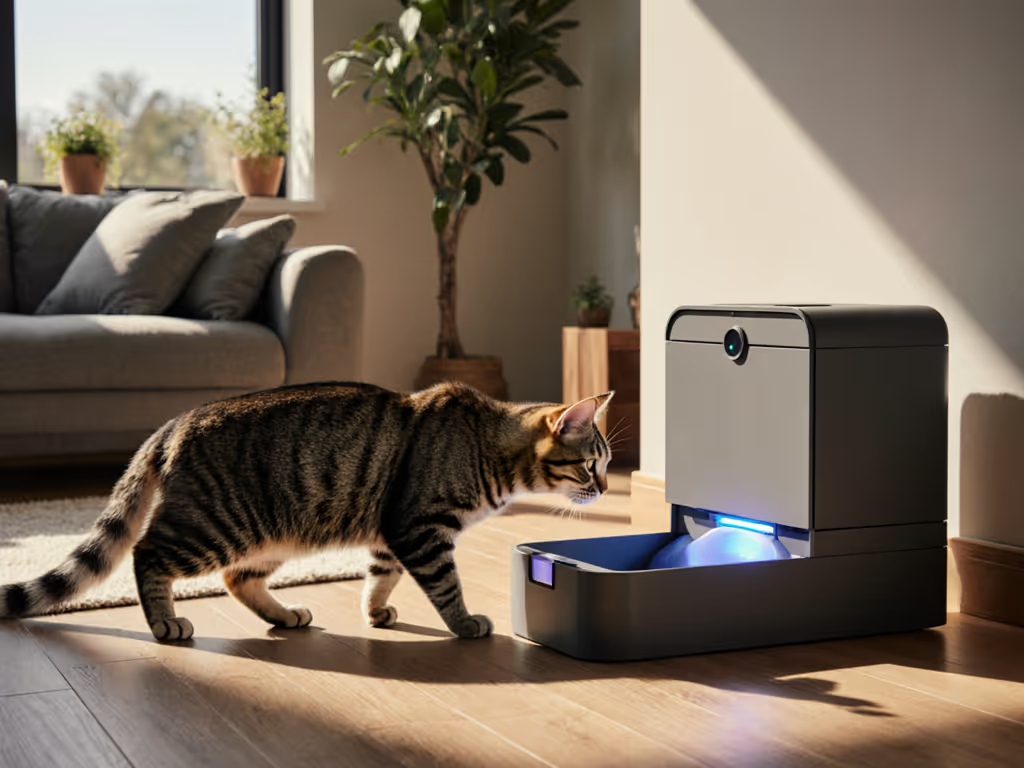
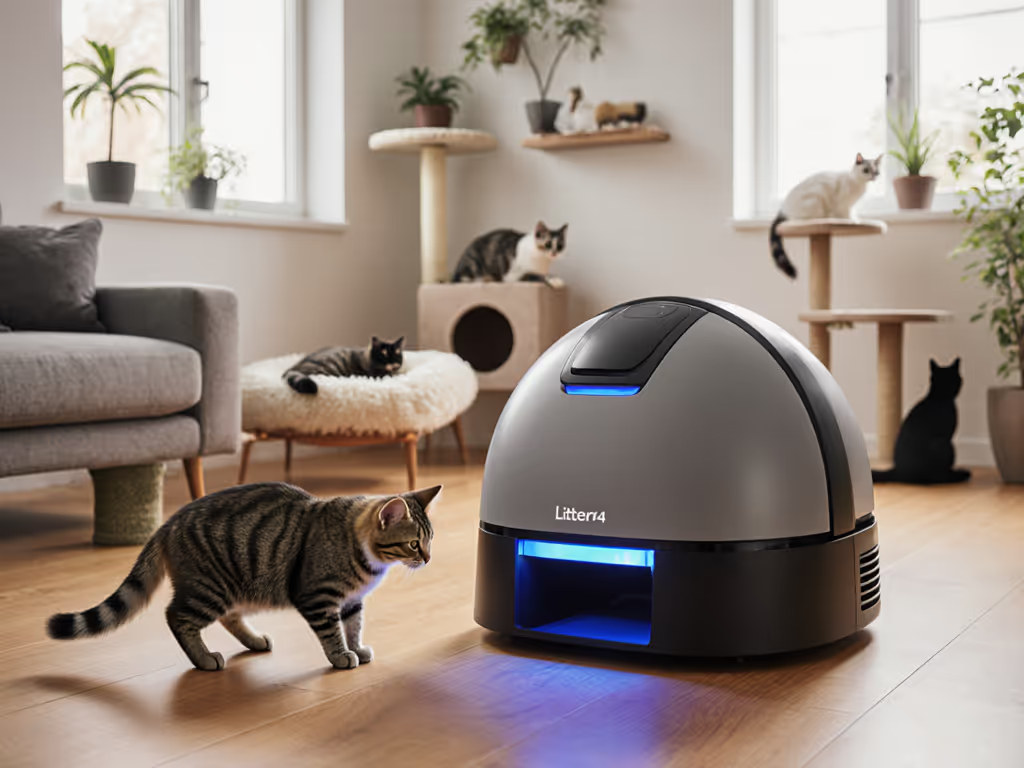
Learn how Litter Robot 4 trims odor and daily scooping for 2–4 adult cats and adds app tracking, while its high price and bulk make placement and fit critical.
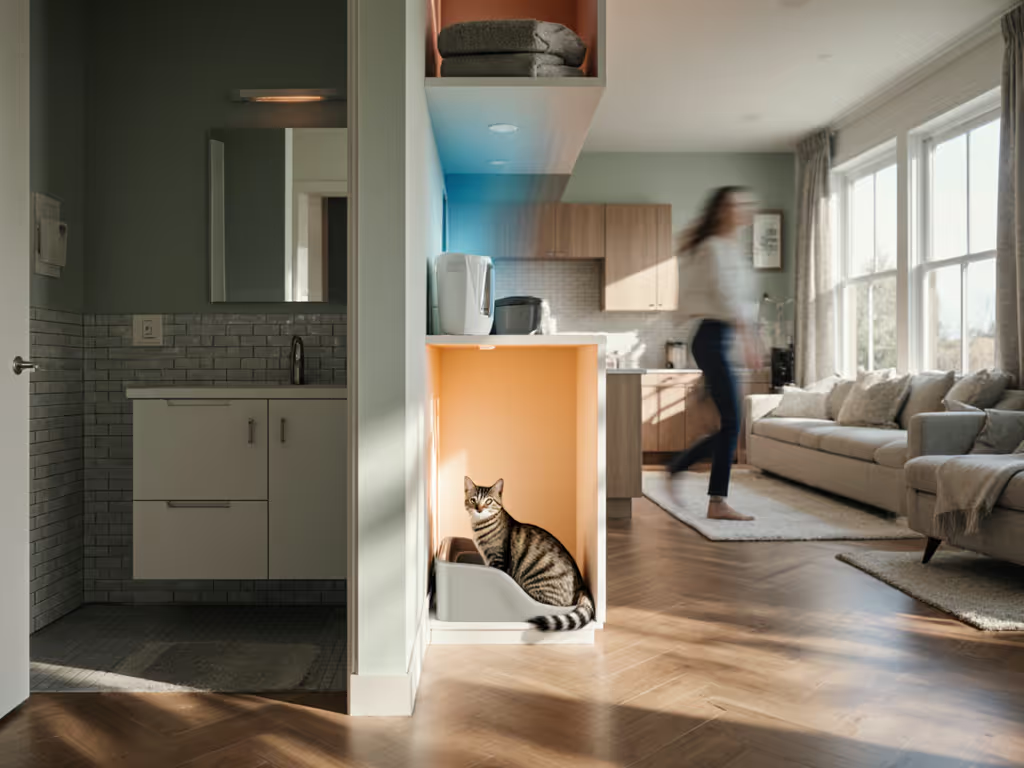
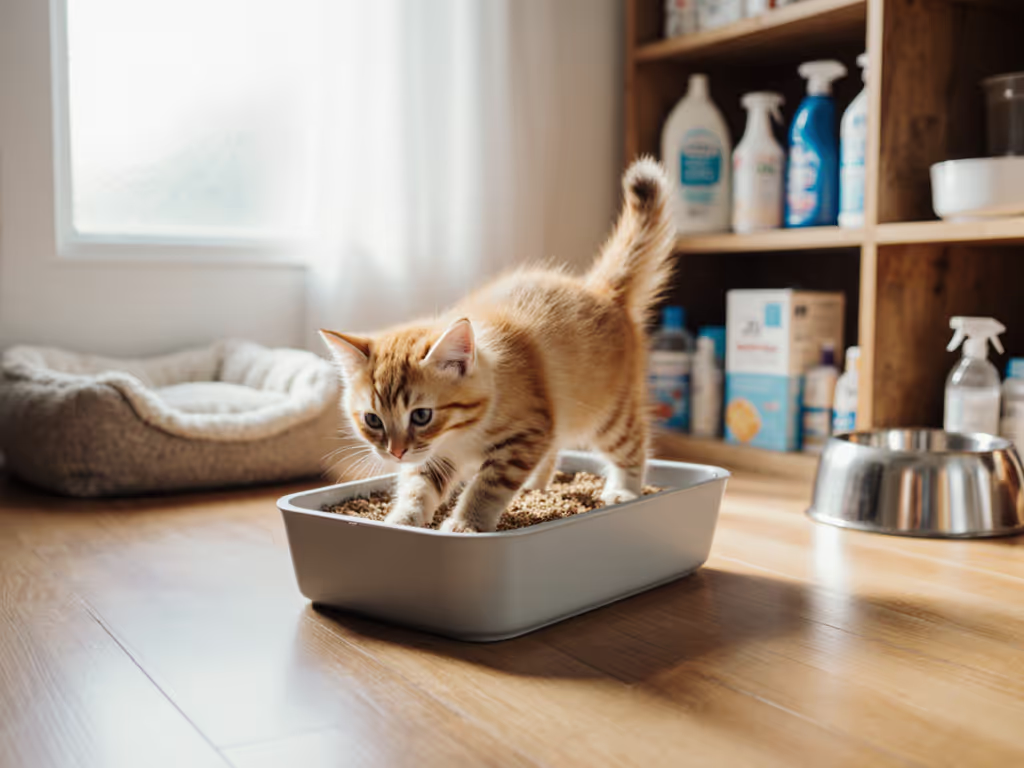
Discover how litter box placement drives your cat's cortisol and stress. Get research-backed signs, small-space strategies, and setup tweaks for calmer homes.
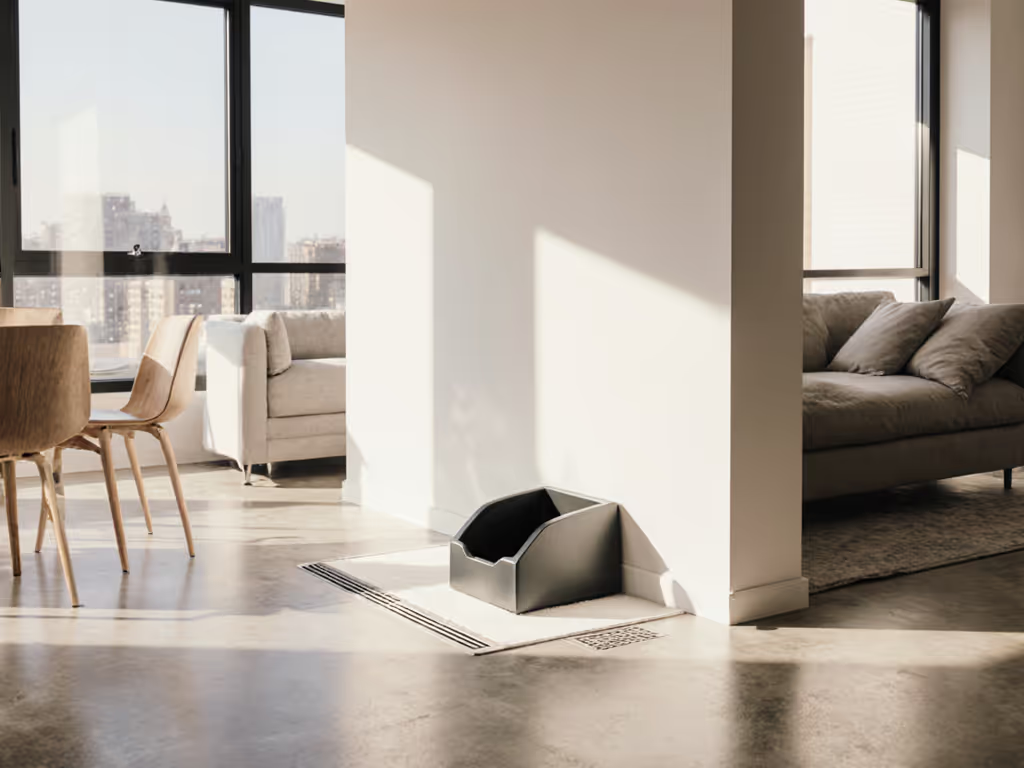
Learn how to place litter boxes in open layouts to reduce odor, prevent tracking, and ease maintenance with cat-safe zones, airflow cues, and multi-cat spacing.
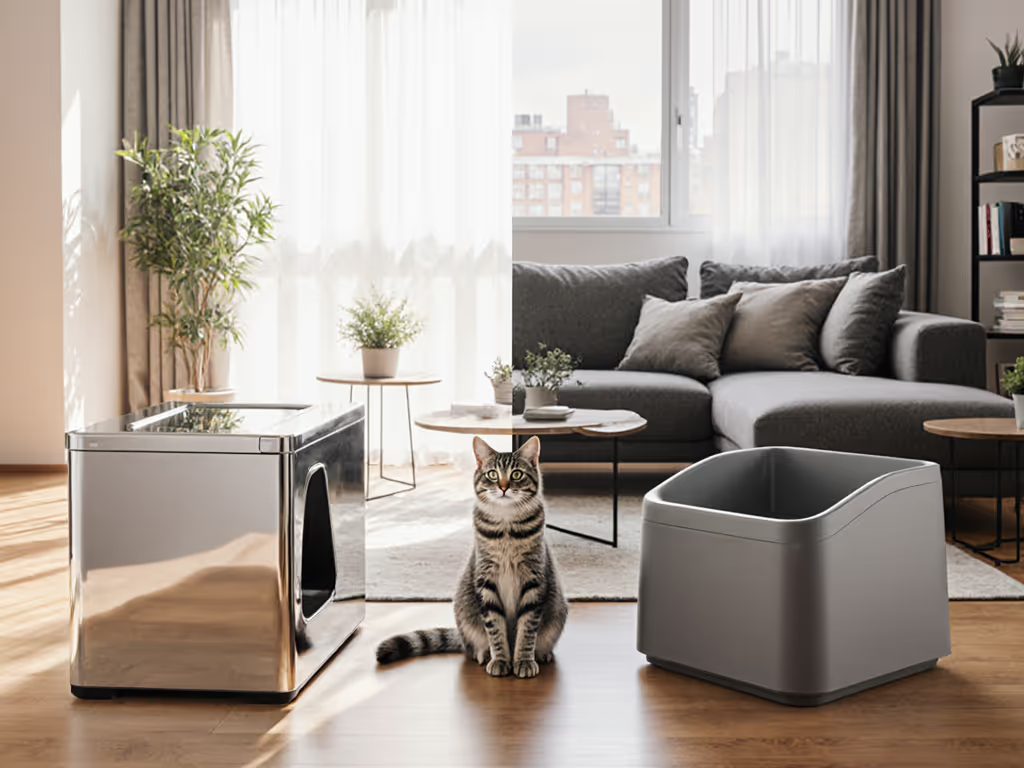
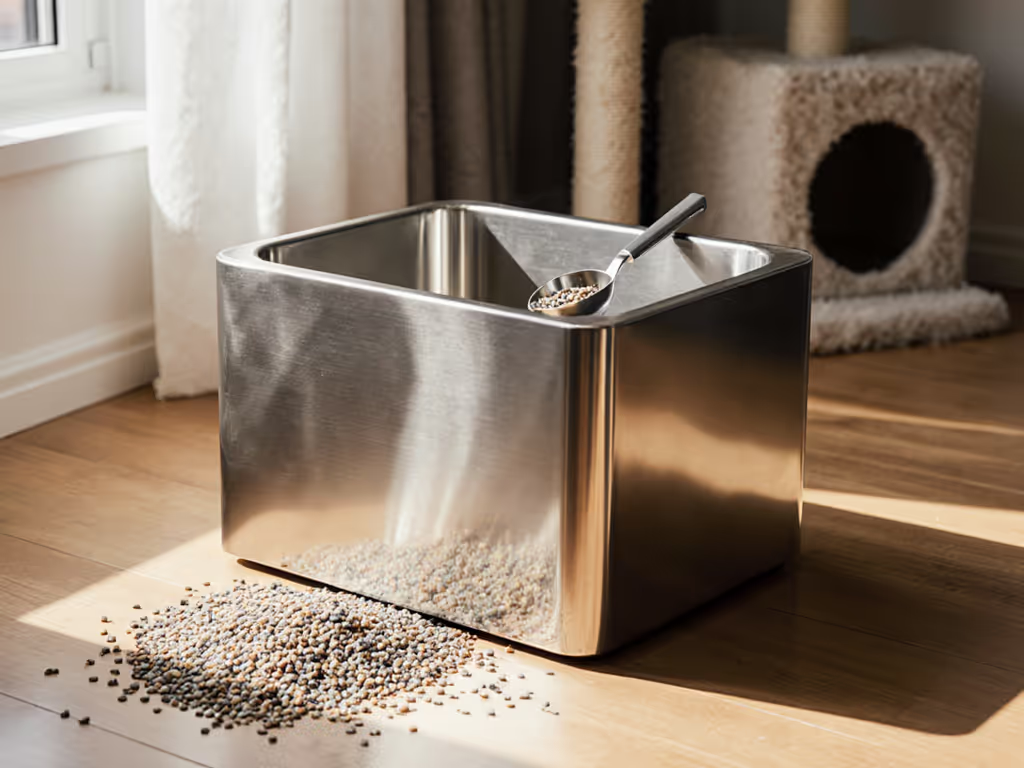
See how stainless steel beats plastic in zero-stick tests, cutting scooping to 90 seconds and extending odor-free time - ideal for multi-cat small spaces.
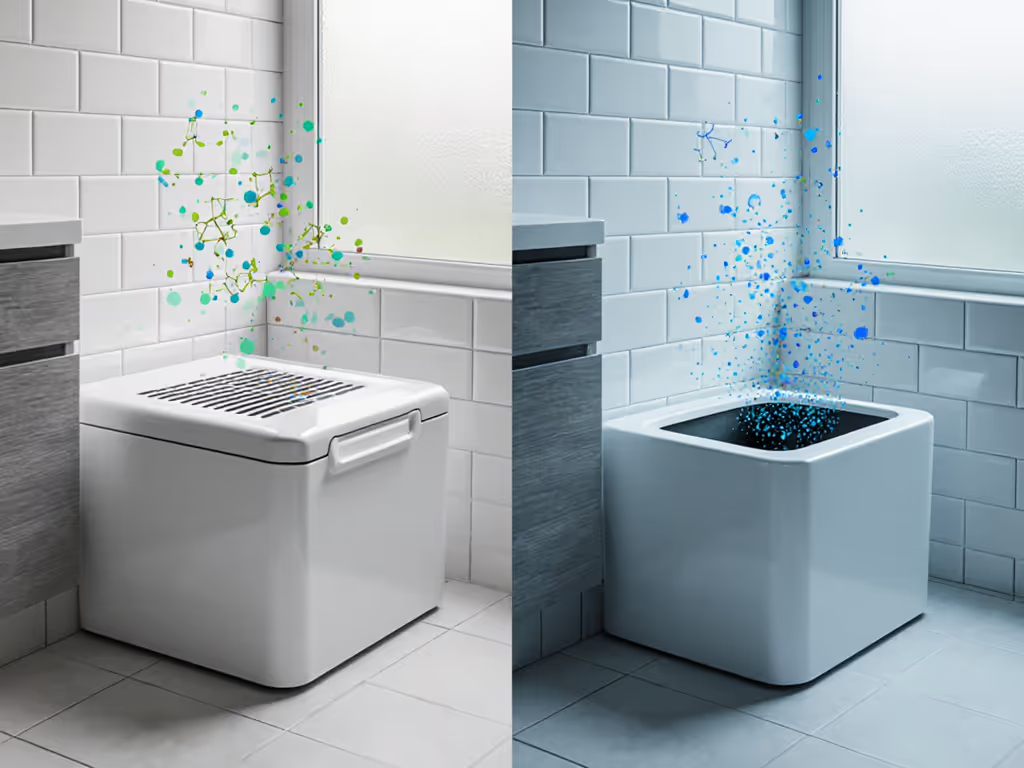
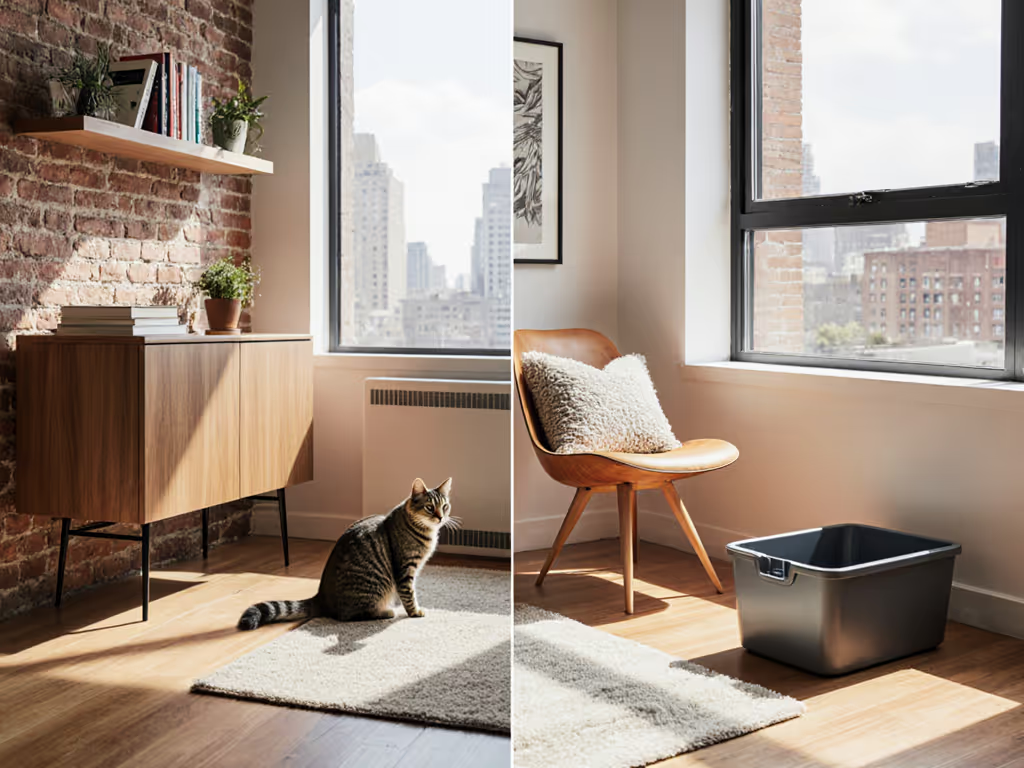
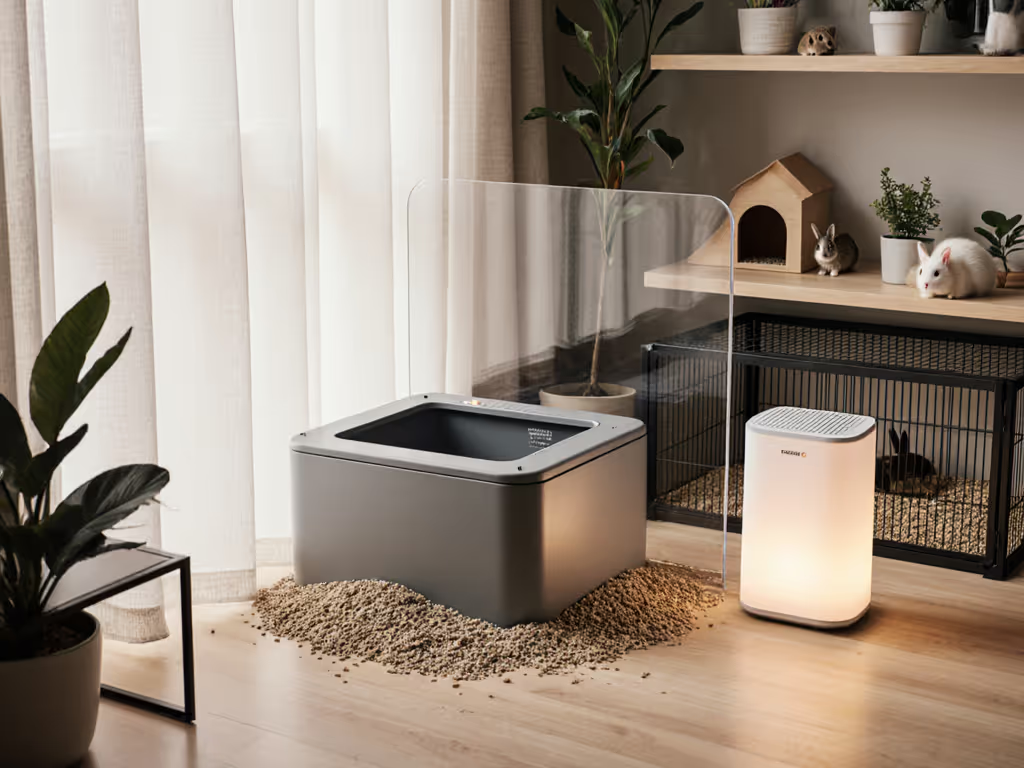
Protect small mammals while keeping cats happy: set up a respiratory-safe litter zone with smart placement, low-dust litter, barriers, and odor control.
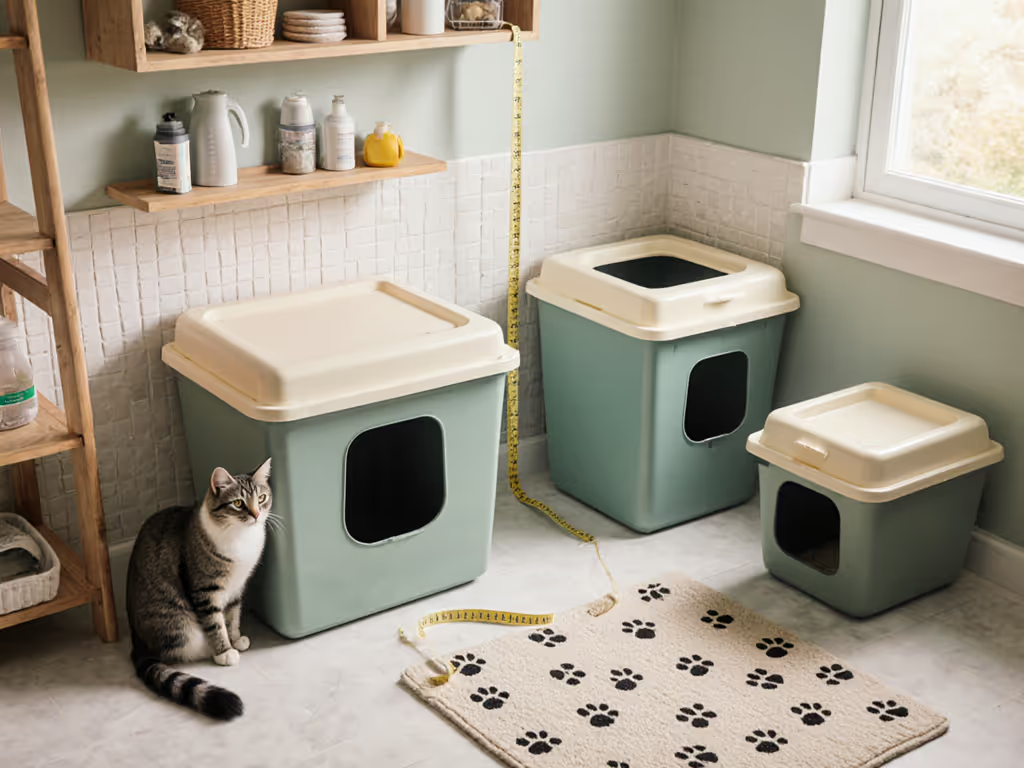
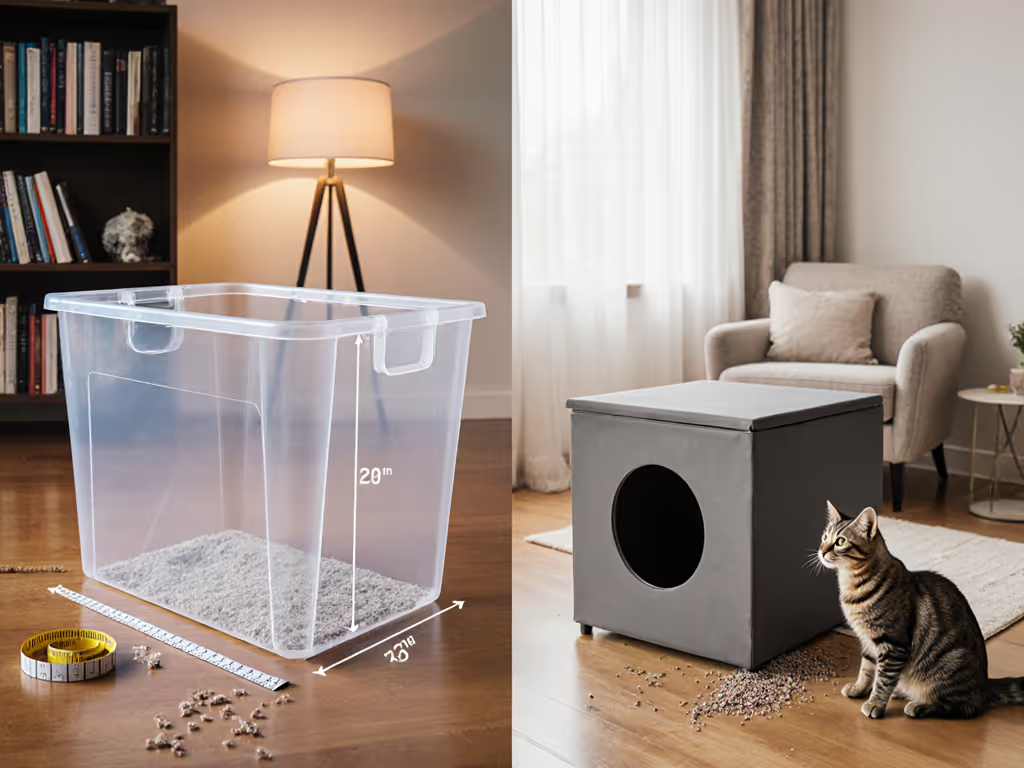
Choose safer covered litter boxes with non-slip bases, true ventilation (15% open area), and certified non-toxic materials to reduce accidents and odors.