Senior Owner Litter Box Solutions for Mobility Issues
By Keira O’Connell • 11th Jan
As a small-space litter layout specialist, I've fielded countless calls about senior cat litter box problems that disrupt apartment harmony. When your aging feline struggles with elimination due to arthritis or limited mobility, traditional setups become barriers rather than solutions. The right litter system isn't just about convenience, it's about preserving dignity for both cat and owner in tight quarters. After years of apartment testing and countless roommate negotiations, I've discovered that the most effective solutions minimize visible mess while maximizing accessibility. Reality check: A cat with mobility challenges won't communicate their struggle verbally, they'll simply avoid the box, creating bigger problems for everyone in your shared home.
Understanding the Space-Mobility Connection
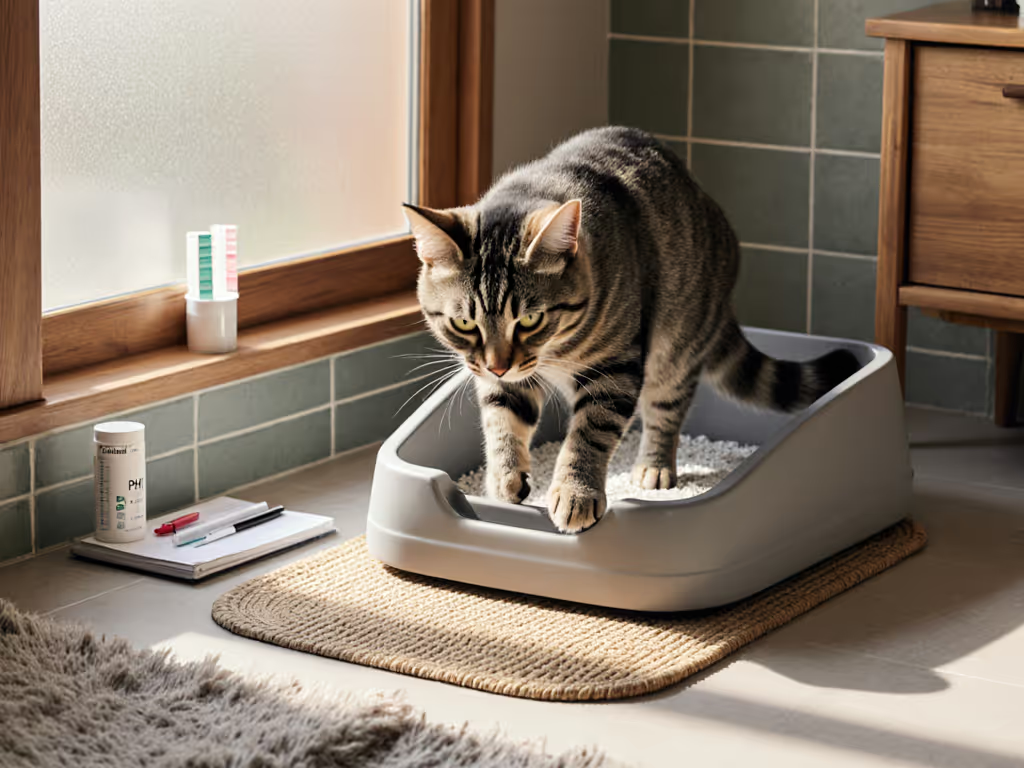
Aging cats face physical changes that directly impact litter use. Studies show over 90% of cats over 12 develop arthritis, making those standard 5-7 inch walls feel like climbing Everest. Meanwhile, elderly cat owner accommodations often mean you're navigating mobility challenges yourself (bending over deep scooping stations becomes painful, and heavy litter bags strain weakened joints). In my apartment testing, I've seen how these dual challenges compound: a senior cat needs lower entry access while their owner needs ergonomic maintenance solutions.
What most guides miss is how small-space constraints amplify these issues. When your entire living area is 700 square feet, every design choice affects multiple rooms. You can't just shove the box in a distant corner (visibility matters for monitoring your cat's health, yet odor must stay contained). Learn how location and airflow affect success in our litter box placement science guide. Before my three-roommate household implemented strategic changes, we'd find our senior cat circling the box but unable to enter, then eliminating elsewhere. For why this happens and how to fix it, see senior litter box avoidance help. After implementing low-entry solutions with proper airflow pathways, those incidents dropped by 95% within two weeks.
Practical Limited Mobility Litter Management
When designing for both senior cats and potentially senior owners, I prioritize solutions that require minimal physical exertion while maintaining apartment-appropriate discretion. Here's what works in real small-space testing:
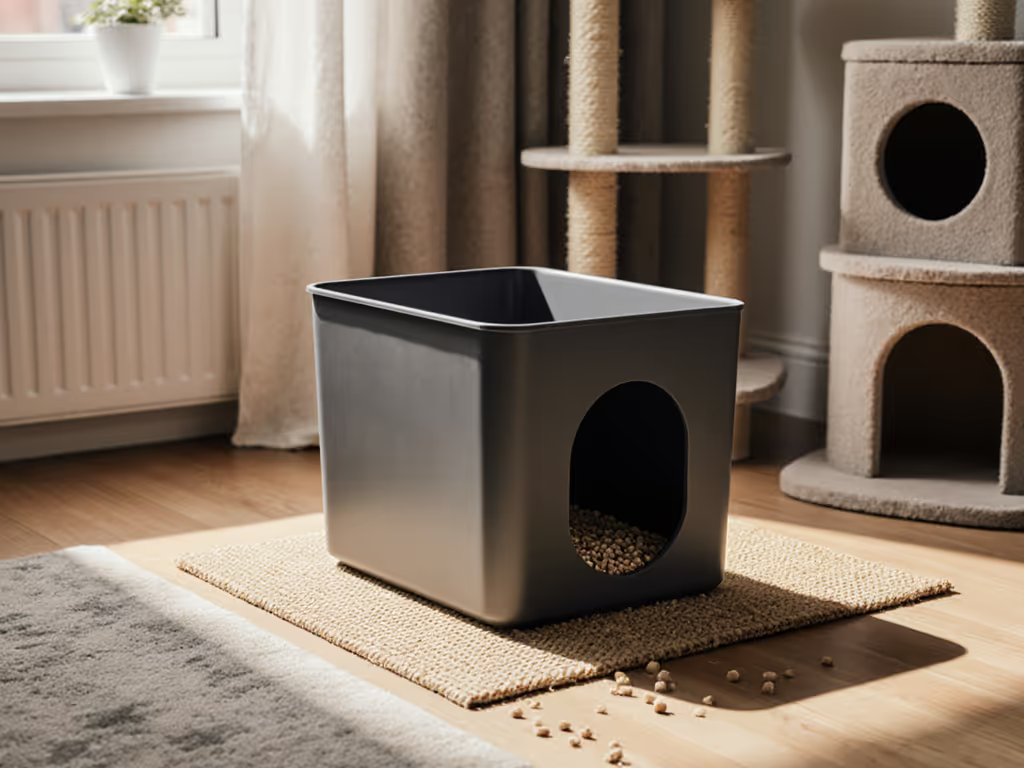
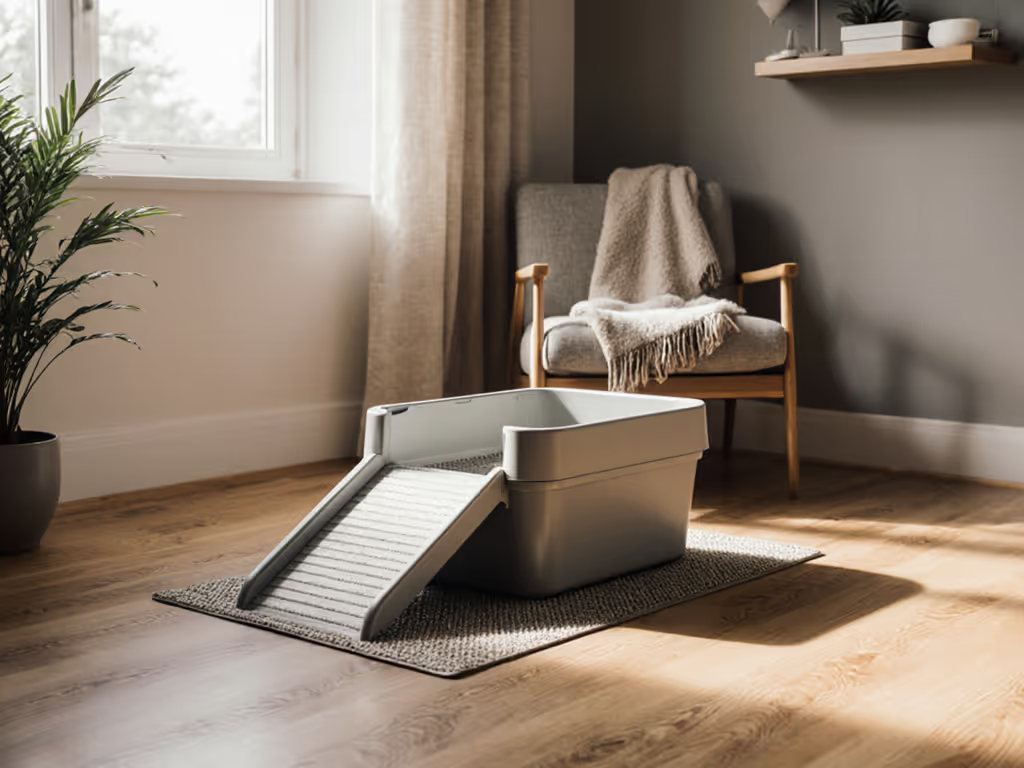
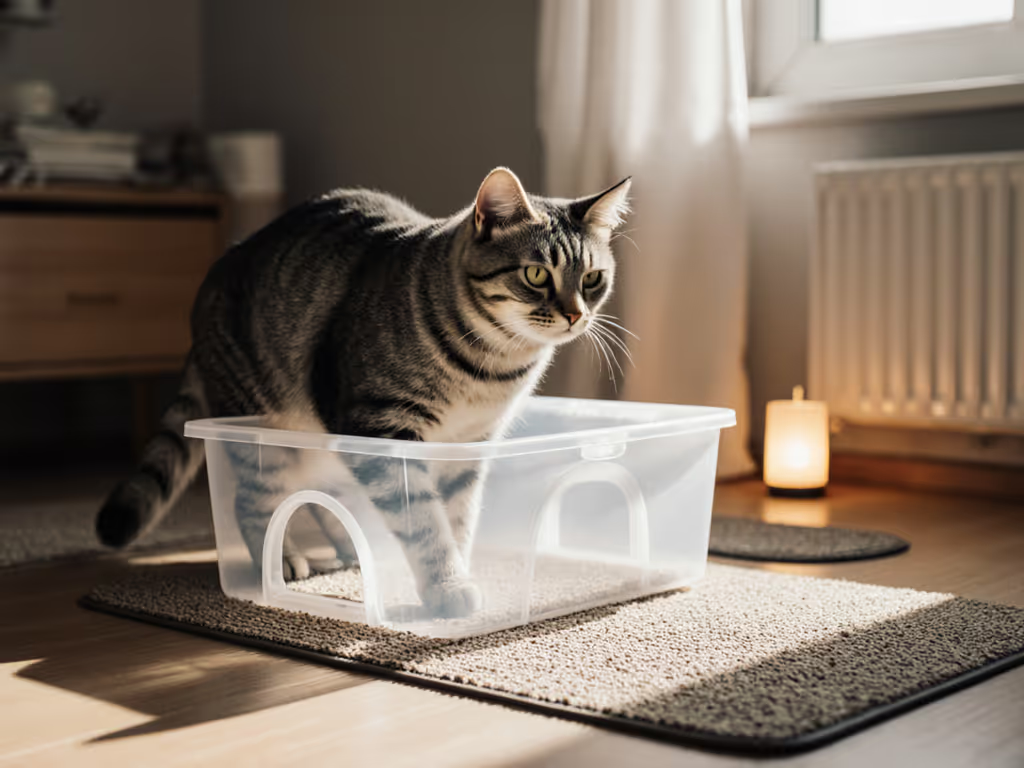
- Lower entry points (2-3 inches) created by cutting a U-shaped entrance into plastic storage containers (sanded smooth to prevent scratches)
- Strategic placement in high-traffic zones with natural airflow paths (never dead-end corners that trap odor)
- Non-slip surfaces both inside and outside the box to prevent slips that scare mobility-limited cats
- Timed maintenance routines that stay under 2 minutes per session (critical for owners with limited endurance)
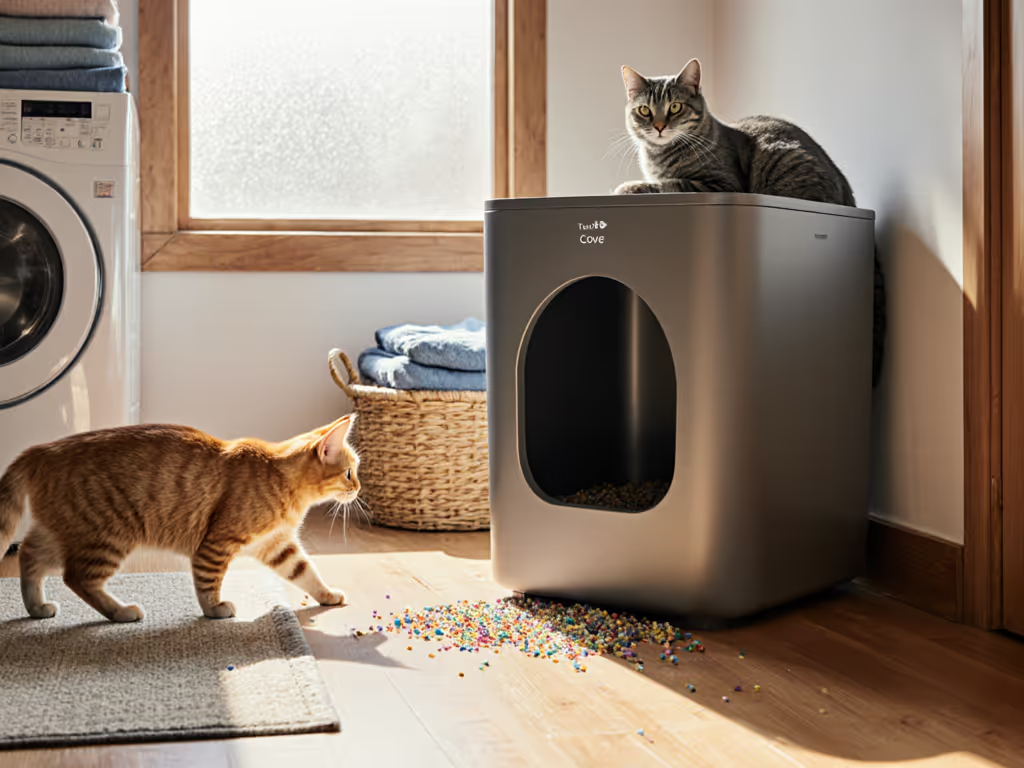
During my apartment trials, I found that litter boxes positioned near nightlights helped vision-impaired senior cats navigate safely at night, while strategically placed drip-edge mats caught 80% of visible scatter that would otherwise track through shared spaces. A calmer room starts at the litter zone, when cats feel secure using their facilities, stress-induced elimination elsewhere decreases dramatically.
Creating Arthritis-Friendly Litter Systems
Most commercial "senior" boxes fail apartment dwellers by being too bulky or generating too much noise. True arthritis-friendly litter systems for small spaces need: For build instructions and cut templates, see our low-entry DIY designs for arthritic cats.
- Right-sized interiors (at least 1.5 x your cat's length for comfortable turning)
- Open-top designs that allow cats to monitor their surroundings while eliminating
- Odor pathways that direct smells away from living areas (think diagonal airflow, not straight up)
- Minimal visual footprint through strategic placement against existing furniture
For one client with a 16-year-old arthritic cat, we transformed a $15 under-bed storage container into a SENIOR-FRIENDLY solution by cutting a low front entrance and adding a rubber mat runway. We positioned it between the refrigerator and wall, creating a natural corridor that directed odor toward the kitchen vent rather than the living room. The client, who has limited mobility herself, set a timer for daily cleaning that took under 90 seconds. Three months later, no accidents and no roommate complaints.
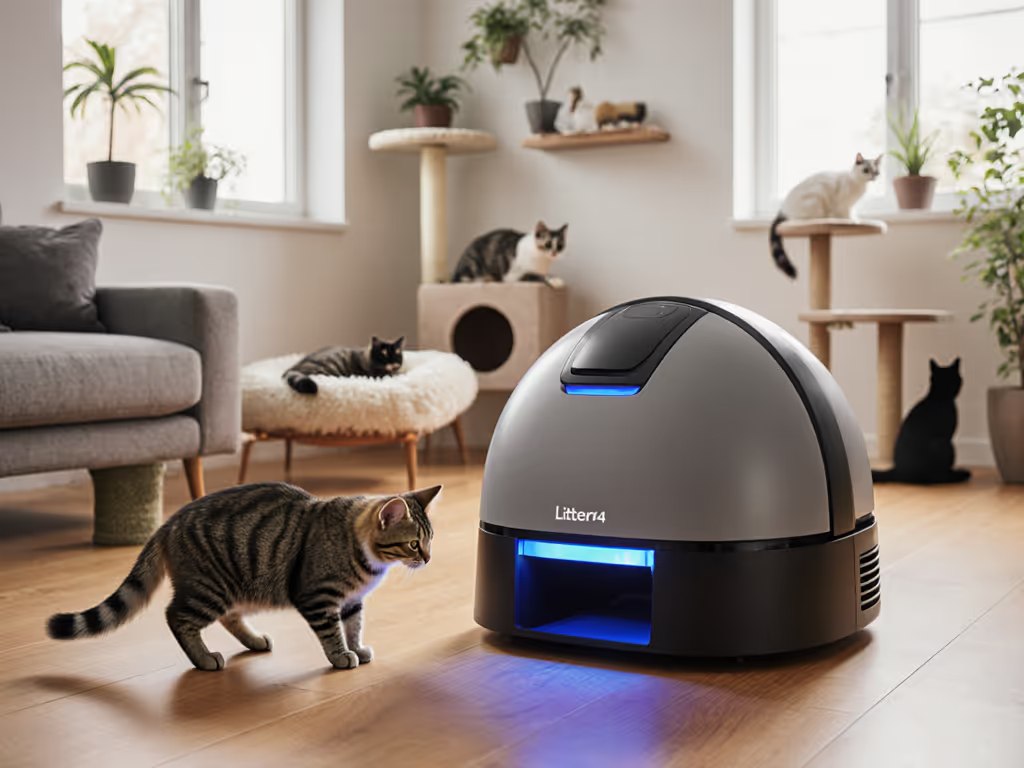
Reality check: Automatic systems like the auto clean cat litter box category can work for some households, but in my apartment testing, I've found most generate too much noise for thin-walled buildings. If you're deciding between options, our self-cleaning vs traditional comparison breaks down noise, cost, and cat acceptance. The exception? Units with quiet motors and predictable cycles that can be timed to avoid sleeping hours. For owners with bending limitations, these can be worth the investment (but only after confirming your cat accepts the entry style and noise level).
The Best Litter System for Peace of Mind
When I redesigned my own litter zone after that dinner party incident where our senior cat's elimination issues became obvious to guests, I focused on three elements that have proven universally effective in small-space senior cat homes:
- Entry height optimization (2.5-3 inches maximum for most arthritic cats)
- Maintenance efficiency (systems requiring less than 2 minutes of daily effort)
- Odor invisibility (through strategic airflow rather than masking scents)
A calmer room starts at the litter zone.
The most successful transitions I've witnessed follow this before/after framing: Before, owners describe constant scooping battles, visible litter trails, and the anxiety of possible accidents. After implementing space-conscious, mobility-adapted solutions, they report predictable routines, minimal visible evidence, and (most importantly) cats consistently using their facilities without hesitation.
Final Verdict: Your Mobility-Focused Path Forward
For senior cat owners navigating mobility challenges in small spaces, the best approach combines strategic entry modifications with maintenance efficiency. Start with a low-entry solution that accommodates your cat's physical limitations while fitting your space constraints (many find success with modified storage containers that cost less than $20). Prioritize open-top designs that allow monitoring without confinement, and implement timed maintenance routines that respect your physical boundaries.
Focus on solutions that acknowledge small-space constraints while addressing the physical realities of aging cats. The best litter setup disappears into daily life, not through fancy furniture, but through thoughtful integration with your existing space and routines. Your goal isn't perfection; it's a system where both you and your senior cat can move through daily life without elimination anxiety. When done right, you'll measure success not by the time spent cleaning, but by how rarely anyone notices the box exists at all.
Related Articles