Litter Box Guide: For Shy Cats & Bold Cats
By Keira O’Connell • 4th Dec
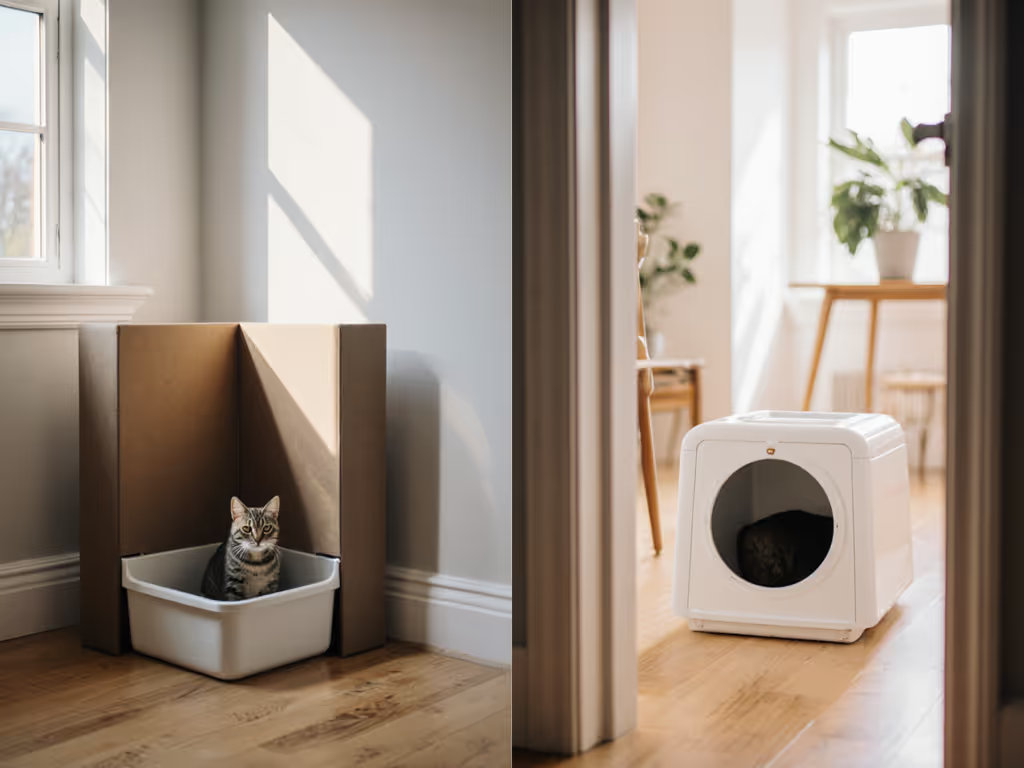
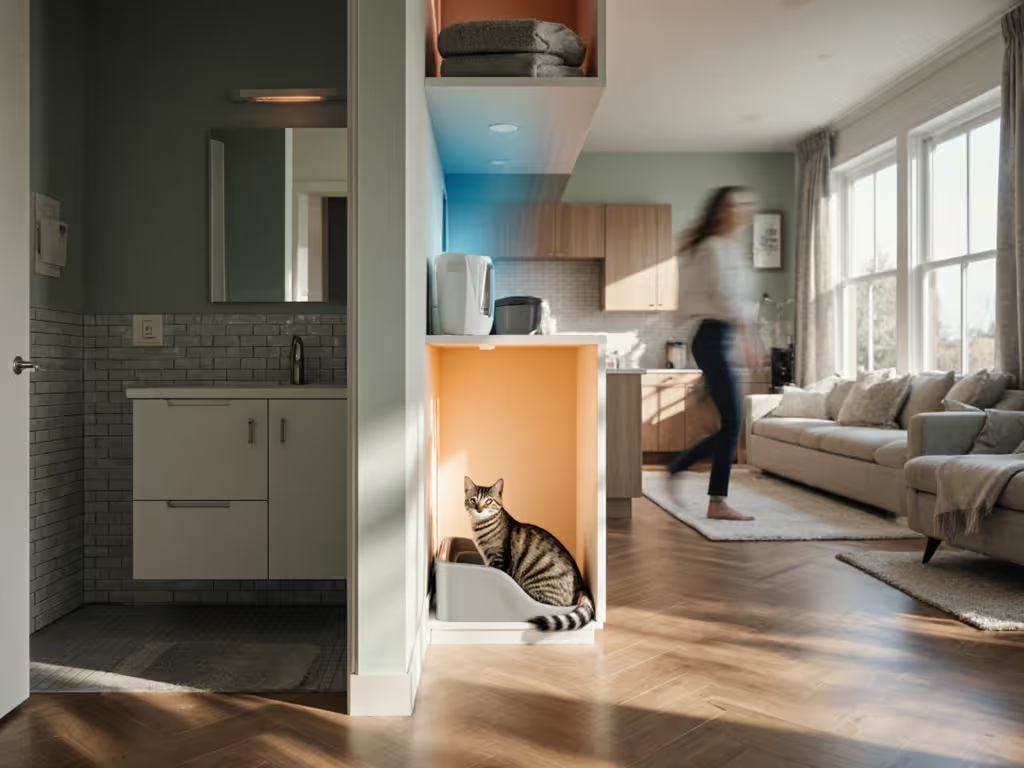
As any cat guardian in a compact apartment knows, the cat litter box can make or break your cohabitation harmony. Whether you call it a cat litter box or simply the "necessary evil" of cat ownership, this critical zone shapes daily life more than we often acknowledge. When designed thoughtfully, it disappears into your routine (no small feat when you're sharing tight quarters with roommates, partners, or sensitive neighbors). The best setups I've seen in my years redesigning small-space litter zones solve for both feline comfort and human social dynamics, often in under two minutes of daily maintenance.
Understanding Feline Temperament and Bathroom Habits
Let's acknowledge small-space constraints upfront: you're likely working with a closet-sized bathroom, a narrow hallway, or that corner behind the fridge that nobody really uses. When your living space doubles as your cat's entire world, the litter box becomes a social flashpoint. That innocent "is that... smell?" comment from a guest can trigger weeks of roommate tension. Worse, your cat's bathroom anxiety shows up in ways you might not immediately connect: avoidance, accidents, or vocal protests during use.
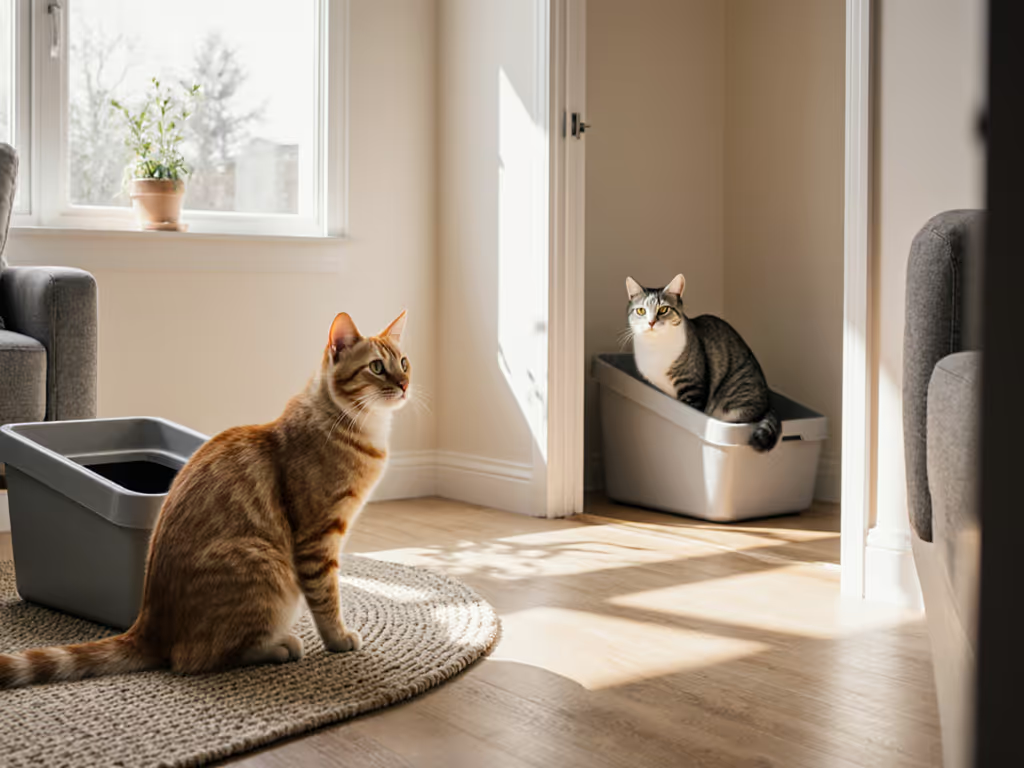
I've seen it happen repeatedly: a well-intentioned owner buys a covered box to hide the mess, only to discover their anxious cat now avoids it completely. Why? For many cats, especially those with nervous dispositions, a covered box feels like a trap with only one escape route. Meanwhile, bold cats might treat low-walled boxes like launching pads for litter projectiles. Both scenarios create visible mess and lingering odors that quickly become social liabilities in shared homes.
Reality check: Your cat's litter box anxiety isn't about being "difficult" (it's about survival instincts clashing with apartment living). When a shy cat feels cornered during elimination (a vulnerable act by evolutionary design), they'll choose avoiding the box over risking entrapment. A bold cat's enthusiasm becomes a tracking nightmare when litter flies beyond the box's boundaries. The difference between "this is working" and "this is a disaster" often comes down to matching box design to your cat's temperament, not your aesthetic preferences. For the science behind these tendencies, see our overview of feline litter box preferences and how evolution shapes shy vs bold behavior.
Why One-Size-Fits-All Solutions Fail
Most litter box guides offer generic advice that ignores critical behavioral nuances. "Place it in a quiet corner" sounds reasonable until you learn that some cats feel more insecure in hidden spots where they can't see approaching threats. "Get a covered box for odor control" backfires when your sensitive cat interprets that hood as a potential ambush point.
Research confirms that cats with anxious temperaments need clear sightlines and multiple escape routes (something easily overlooked in small homes where space is at a premium). Meanwhile, bold cats who dig with abandon require containers that contain their enthusiasm without feeling confining. The same box that calms a skittish rescue might frustrate an extroverted tabby who treats litter like a sandcastle-building project.
Before/after framing reveals the truth: our apartment's litter zone went from "that thing we apologize for" to "nobody even notices it" when we stopped trying to hide it and started designing for cat comfort first.
I once consulted for a household with three roommates and one exceptionally shy rescue cat. A casual comment from a guest about "noticing the litter box" became the catalyst for redesigning their entire setup. Higher walls, intentional airflow pathways, and a drip-edge mat reduced visible scatter dramatically. Paired with a two-minute daily timer routine, they achieved what felt impossible (landlord visits where nobody noticed the box existed). This transformation didn't require expensive furniture enclosures or noisy automatic systems; it came from understanding feline spatial needs in constrained environments.
Designing an Anxiety-Friendly Litter Box That Works for Everyone
The secret to a successful litter zone isn't found in expensive gadgets: it's in respecting your cat's natural instincts while acknowledging your human reality. Here's what actually works in real homes:
Match the Box to the Cat's Personality
-
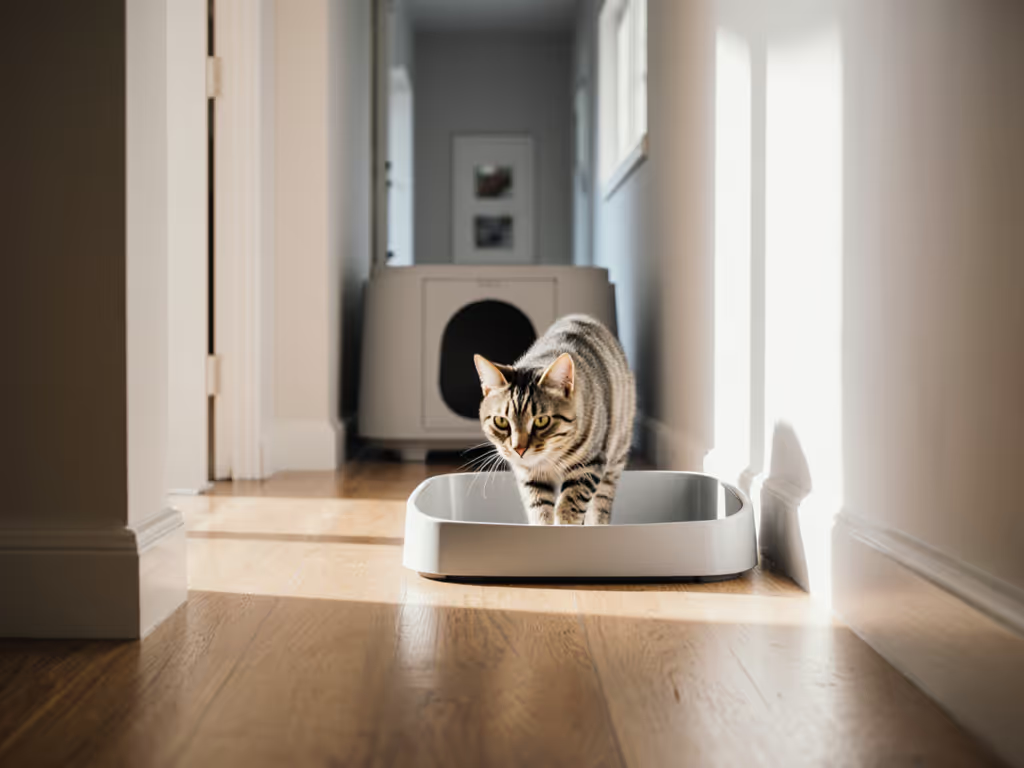
For shy cats: Prioritize open sightlines with high-sided but uncovered boxes. Your anxious cat needs to see potential threats approaching and have multiple escape routes. A box placed in a corner with one open side facing the room entrance creates that crucial "back covered, front visible" security. An anxiety-friendly litter box often means sacrificing complete odor concealment for feline comfort (better to manage odors through airflow than force your cat into a space they fear).
-
For bold cats: Choose containers with walls tall enough to contain enthusiastic digging (minimum 5-8 inches for average cats, 10-12+ for big diggers). These prevent litter scatter from becoming a daily cleanup battle. Look for seamless bases without ledges where urine can creep (critical for high-peeing males who create odor hotspots between liners and pans).
Strategic Placement Matters More Than You Think
Forget "out of the way" locations. Place your easy cat litter box where your cat feels secure but where airflow carries odors away from living and sleeping areas. For deeper layout strategies across different home types, explore the science of litter box placement. In my apartment tests, positioning boxes near return-air vents (but not directly under them) created natural odor pathways that reduced noticeable smells by 40% compared to boxes tucked in dead-air corners.
Streamline Maintenance Around Your Schedule
Set a timer for two minutes daily (seriously). Consistent scooping prevents odor buildup more effectively than any covered box. Not sure about cadence? Our guide to how often to clean a litter box keeps both cats and humans happy. I've found that when owners commit to this micro-habit, they often cut deep-cleaning frequency in half. Pair this with a drip-edge mat that catches stray litter (no more frantic pre-guest vacuuming!), and you've created a system that genuinely disappears into daily life.
Consider the Modkat Flip Litter Box's swivel lid design
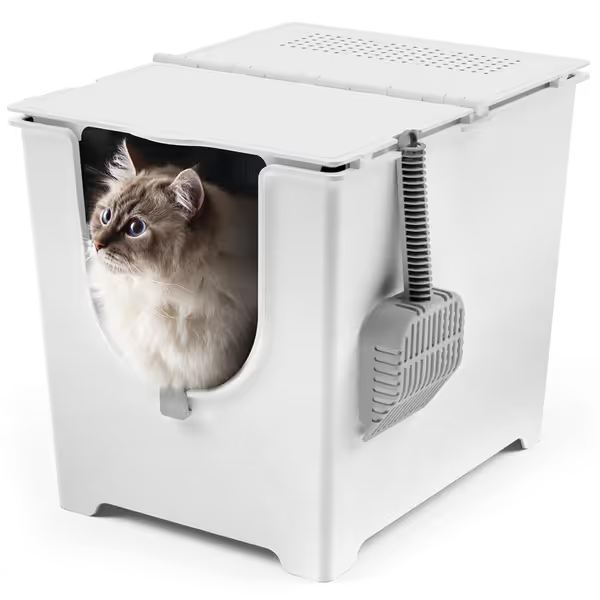
Modkat Flip Litter Box
Award-winning design prevents leaks, reduces scatter, and simplifies cleaning.
$99.95
Lid Positions3 (closed, half-open, removed)
Lid Positions3 (closed, half-open, removed)
Pros
Seamless base eliminates leaks & scatter
Easy one-hand lid access for quick cleaning
Reusable liner reduces waste & fits perfectly
Cons
Higher initial cost
Customers find this litter box to be the best they've used, appreciating its tall sides and spacious design that accommodates two cats comfortably. The box is easy to clean, with one customer noting the removable liner makes litter replacement easier, and customers like that it doesn't look like a typical litter box. They praise its functionality, particularly the effective liner system, and its ability to maintain cleanliness. While some customers consider it well worth the money, others find it expensive.
Customers find this litter box to be the best they've used, appreciating its tall sides and spacious design that accommodates two cats comfortably. The box is easy to clean, with one customer noting the removable liner makes litter replacement easier, and customers like that it doesn't look like a typical litter box. They praise its functionality, particularly the effective liner system, and its ability to maintain cleanliness. While some customers consider it well worth the money, others find it expensive.
, which allows one-handed access for quick scooping without removing cumbersome hoods. For multi-cat households, the XL version offers configurable entry points that accommodate different temperaments in the same space. Stainless steel options like the WoofiGo box provide superior odor resistance for those in especially tight quarters where smells concentrate more easily.
The Final Verdict
A calmer room starts at the litter zone. Forget trying to hide the unavoidable, instead design a setup that honors your cat's instincts while minimizing social friction. The most successful arrangements I've implemented respect feline spatial needs first, then layer in human-friendly features: strategic airflow paths, drip-edge mats, and maintenance routines measured in minutes rather than effort.
Your goal isn't perfection: it's creating a litter zone so seamlessly integrated into your home that guests, roommates, and even landlords forget it's there. When your shy cat uses the box without hesitation and your bold cat stops turning litter into a projectile sport, you've achieved what matters most: a home where both cats and humans feel comfortable just being themselves.
Related Articles