Litter Box Visibility: Why It Matters for Cat Stress
By Maya Santos • 3rd Mar
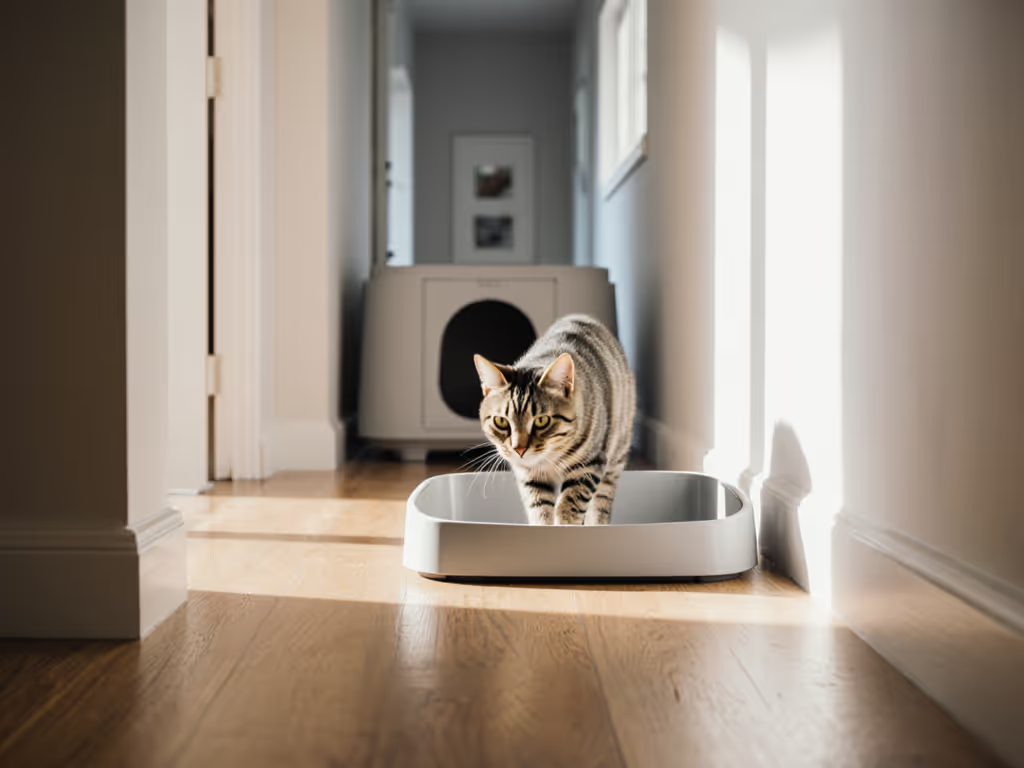
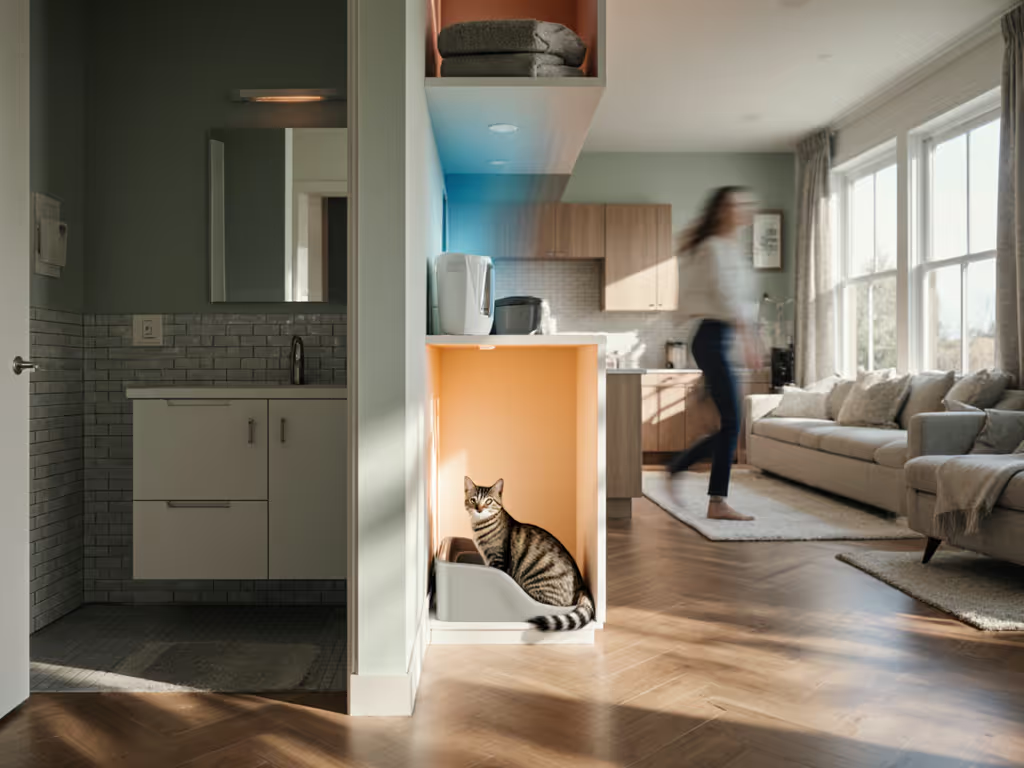
Covered litter box cats often show hidden signs of distress, and the culprit isn't always the cover itself (it's what happens when a cat loses visual access to their surroundings during a vulnerable moment). When you choose a cat litter box setup, you're not just picking a container; you're designing a space that either invites calm elimination or triggers anxiety. Visibility and sightlines are critical factors that influence whether your cat feels secure enough to use the box consistently, and research on feline stress responses reveals just how much environmental design impacts behavioral health. For a deeper look at how placement affects sightlines and stress, see our litter box placement science guide.
The Problem: Understanding Litter Box Stress in Real Homes
Cats experience significant stress around their litter boxes, particularly in multi-cat and confined living environments[2]. Urban apartments and smaller homes create tight quarters where boxes must compete for space with furniture, appliances, and foot traffic. When visibility becomes compromised (whether through box design, placement, or visual obstruction), your cat enters a state of heightened vigilance during elimination, one of their most vulnerable moments. This isn't abstract worry; it's measurable anxiety rooted in predatory instinct and territorial awareness.
The core issue: cats need to see threats approaching while they cannot easily defend themselves. A cat crouching over a litter box is exposed. If they cannot scan their environment or detect movement around them, stress levels rise. This is why some cats, especially cautious or multi-cat household residents, avoid enclosed or partially obscured boxes, even if those boxes promise odor containment or aesthetic appeal.
Why Your Cat Cares: Environmental Triggers and Behavioral Signals
Litter box stress stems from multiple layers of environmental design that most guardians overlook. Environmental factors like noise, heavy foot traffic, or placing the litter box near food and water disrupt a cat's sense of security, causing anxiety around elimination[2]. When visibility is restricted, you're compounding that stress by removing your cat's ability to monitor their escape route and surroundings.
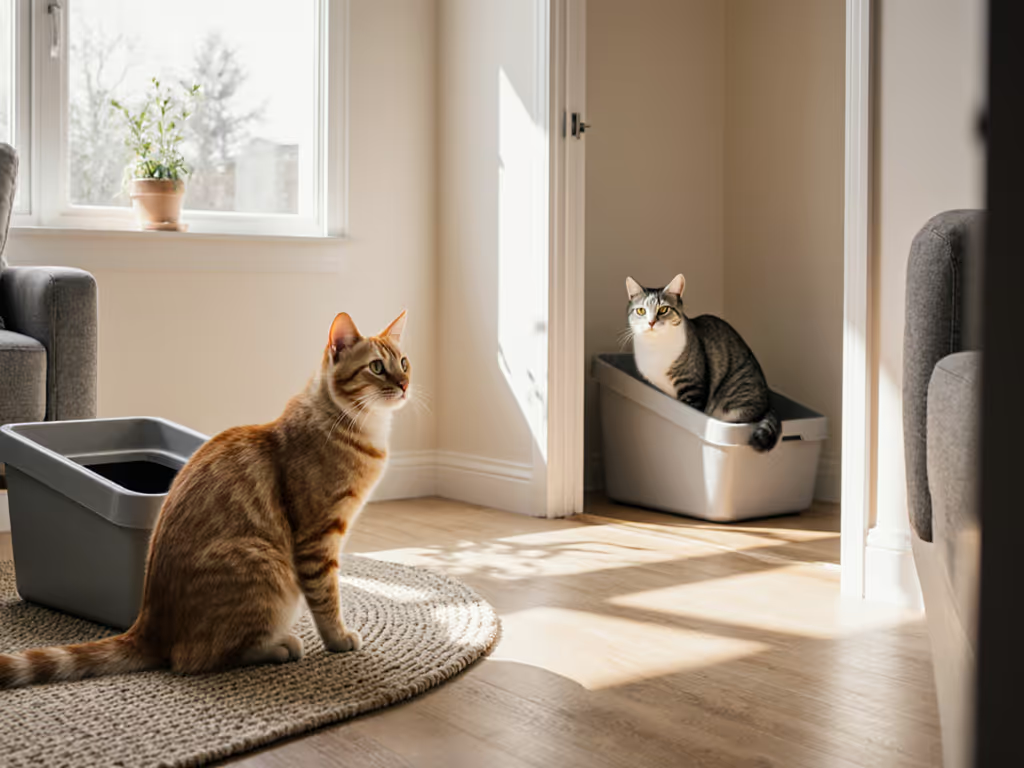
Multi-cat households face additional complexity. Learn the multi-cat litter box formula to reduce resource guarding and ambush risk. Territorial tension increases when cats cannot see approaching competitors, making box placement and design choices feel like traps rather than safe zones[2]. If one cat guards the box visually, waiting out of sight for a housemate to enter, a cat that cannot see threats will learn avoidance quickly.
Behavioral signs that your cat is struggling with visibility-related box stress include:
- Running quickly in and out of the box, signaling anxiety or negative association with the space
- Hesitation or crouching behavior when approaching, reflecting perceived vulnerability
- Prolonged digging, which can indicate frustration or the cat's effort to mask elimination due to stress
- Elimination near but not inside the box, suggesting avoidance rooted in fear or discomfort
- Marking behavior on new or previously used spots, especially in multi-cat homes, where social dynamics escalate tension
These aren't behavioral problems requiring correction; they're feedback from your cat that the environment isn't meeting their safety needs.
The Agitation: What Happens When Cats Feel Exposed
When a cat's visual access is compromised, stress compounds rapidly in ways that extend far beyond the litter box itself. Research confirms that stress-induced anxiety and environmental responsiveness are deeply connected: cats are highly sensitive to their surroundings, and sudden loud noises or disturbances near their litter box can trigger heightened anxiety and hesitation[2]. The combination of visual vulnerability and environmental unpredictability creates a psychological state where many cats simply choose to avoid the box entirely.
This avoidance often leads to inappropriate elimination (urination or defecation outside the box), which triggers a cascade of problems for you: odor in small spaces, damage to flooring or carpeting, conflict with roommates or partners, and potential landlord issues. What began as a design choice spirals into behavior problems that feel intractable.
Moreover, hiding enrichment research reveals that cats' stress responses are measurable and rapid. Studies tracking the Cat-Stress-Score, a validated behavioral assessment, found that cats with access to hiding spaces or unobstructed sightlines showed significantly faster decreases in behavioral stress compared to control groups; cats recovered from stress seven days earlier when they had visual security[1]. The implication is clear: visibility and hiding options are not luxuries; they're foundational to feline stress management.
The Solution: Practical Visibility-First Litter Box Design
Behavior-fit comes before aesthetics, automation, or odor-control marketing. Here's how to align your litter box setup with feline visibility needs:
Prioritize Open or Semi-Open Designs
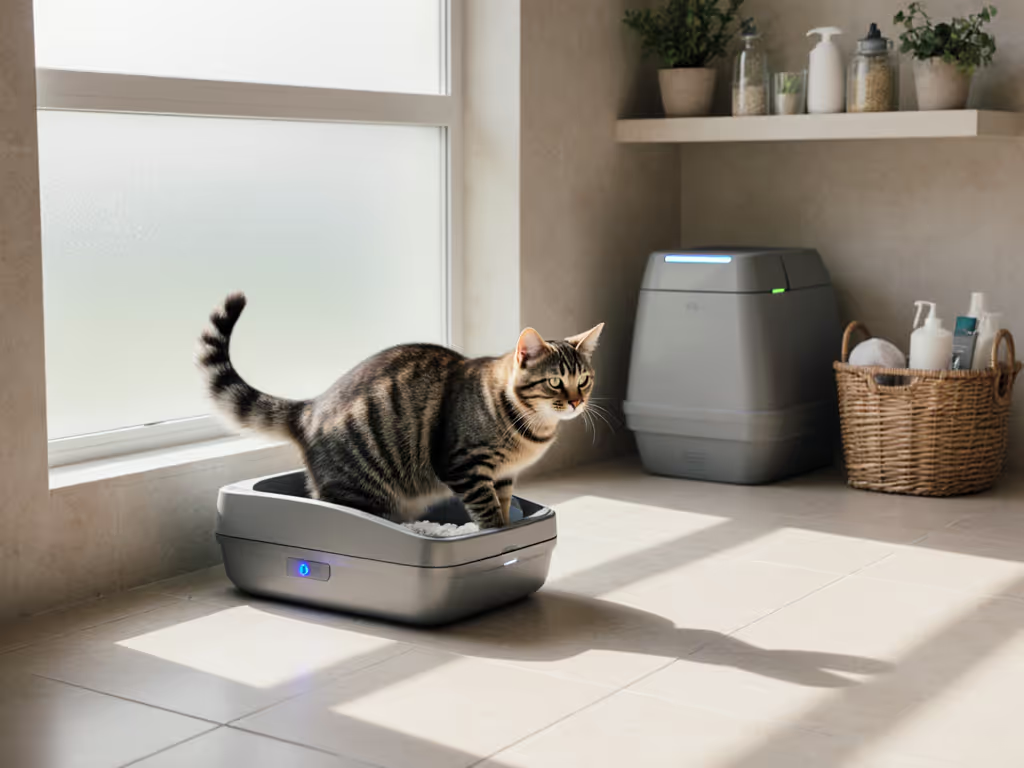
Open or open-top boxes maximize your cat's ability to monitor their environment. While covered boxes reduce litter scatter and contain odor, they restrict sightlines and can trap your cat psychologically, especially if the entry is small or the interior is dark. For cats showing any sign of box avoidance or anxiety, removing a cover or switching to a larger, open design is your first behavioral intervention.
If odor or tracking is your concern, address those separately through substrate choice, more frequent scooping, and strategic placement (not by sacrificing your cat's visual security). Use our odor control cleaning schedule to keep smells down without compromising visibility.
Strategic Placement Over Concealment
Place your litter box in a quiet, low-traffic area where your cat has clear sightlines in at least two directions. Avoid placing boxes:
- Near appliances or heavy machinery (washing machines, HVAC units)
- Along high-foot-traffic routes
- In corners where your cat cannot see approaching cats or people
- Close to food or water bowls
In small apartments, this might mean placing the box in a bedroom corner with a view of the doorway, rather than tucking it behind a bathroom door where your cat feels cornered.
Size and Entry Type Matter
Your cat should be able to stand, turn, and dig comfortably without feeling confined. Oversized storage bins work well because they offer vertical visibility, your cat can scan the room while standing in the box. Top-entry boxes restrict visibility significantly; reserve these only if your cat shows no preference and you're managing a multi-cat territorial issue. If you do choose top-entry, follow our top-entry transition guide to maximize acceptance and minimize stress.
Multi-Cat Visibility Strategy
In homes with two or more cats, provide at least one box per cat plus one extra, according to veterinary guidelines[7]. For product options that work in shared spaces, see our best litter boxes for multi-cat homes. Space them so your cat at each box cannot be ambushed by a housemate waiting out of sight. This doesn't mean spreading boxes across your home randomly; it means strategic placement where each box offers an independent sightline and escape route.
Actionable Next Steps: Week-by-Week Visibility Adjustment
If your cat currently shows signs of box stress or avoidance, implement these changes gradually:
Day 1-2: Observe your cat's current behavior. Note whether they approach hesitantly, dig excessively, or leave the box quickly. Record their body posture, is it tense or relaxed?
Day 3-5: If your current box is covered, remove the cover or switch to an open alternative, placed in the same location initially. Keep litter type and depth consistent. Do not introduce multiple changes simultaneously.
Day 6-7: Assess your placement. If the box is in a dead-end corner, move it (with fresh litter) to a spot where your cat can see the room from inside the box. Scoop more frequently to maintain cleanliness and offset any initial odor concerns.
Day 8+: Observe for relaxed approach behavior, normal digging patterns, and consistent use. Most cats show measurable behavioral shifts within 7 to 14 days when visibility stress is removed (parallel to the research findings on stress-score recovery).
Cats vote with paws, not product pages or promises. When your cat's visibility needs are met, consistent box use follows. Trust the behavioral science: a simple, open, well-placed box in a secure visual environment outperforms any covered design that trades feline security for human convenience.
Your next step is straightforward: assess your current setup against these visibility principles and make one intentional change. The evidence is clear, and your cat will tell you whether it worked within days.
Related Articles