Affordable Manual Litter Boxes That Cats Actually Use
By Maya Santos • 5th Dec
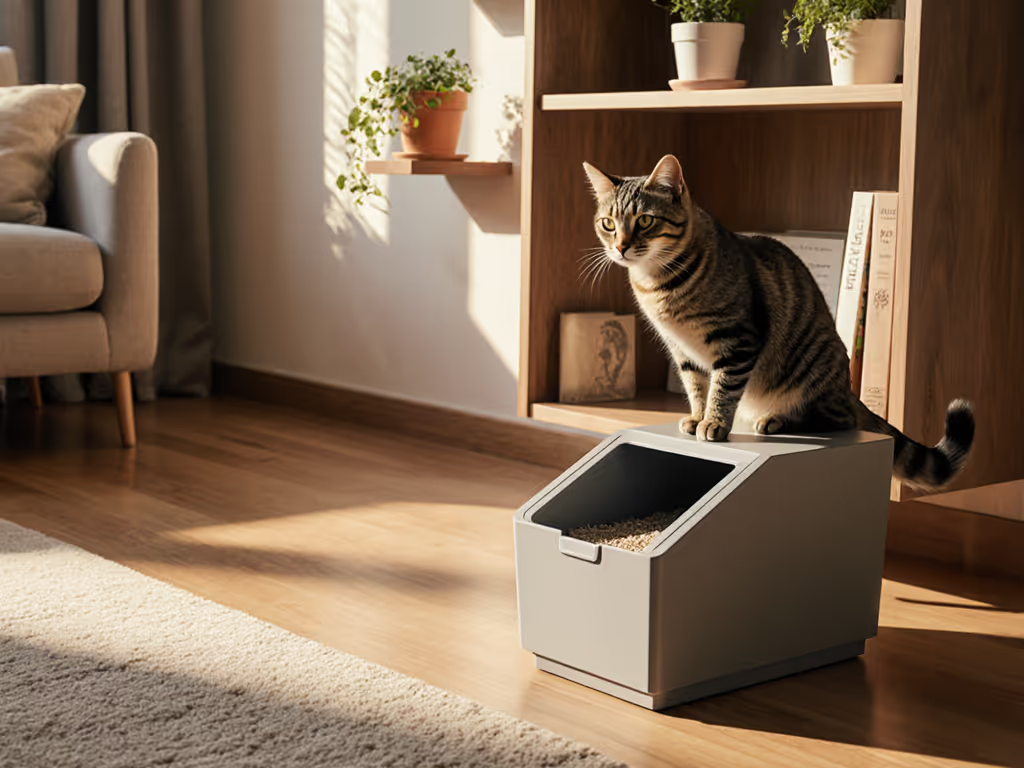
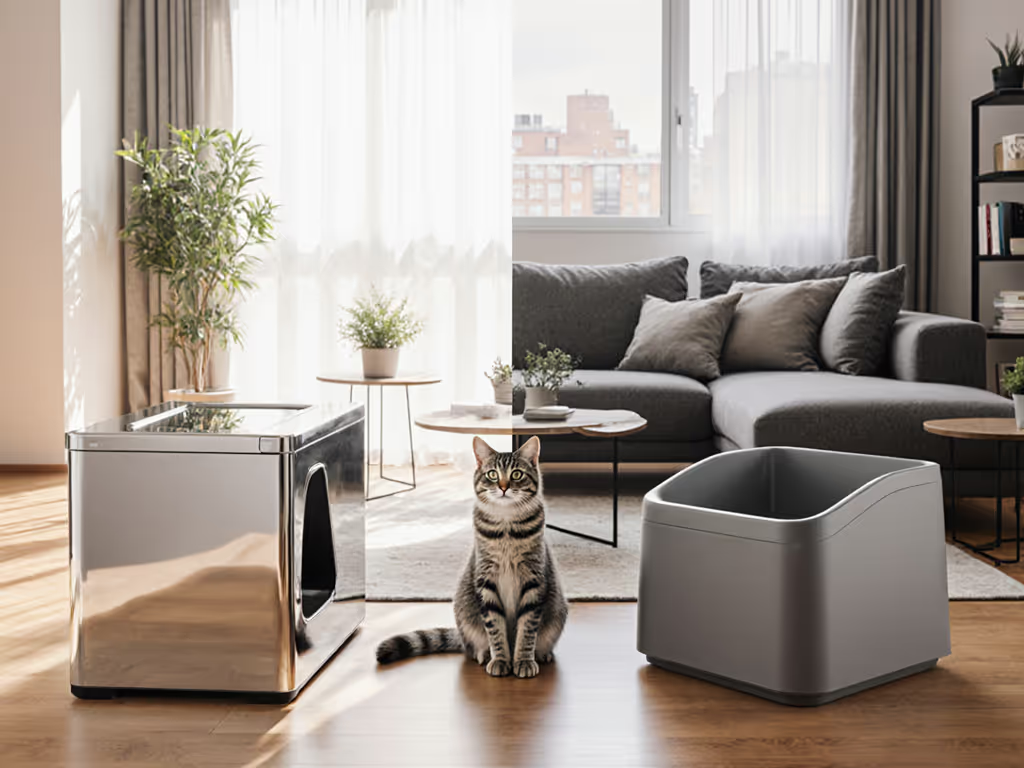
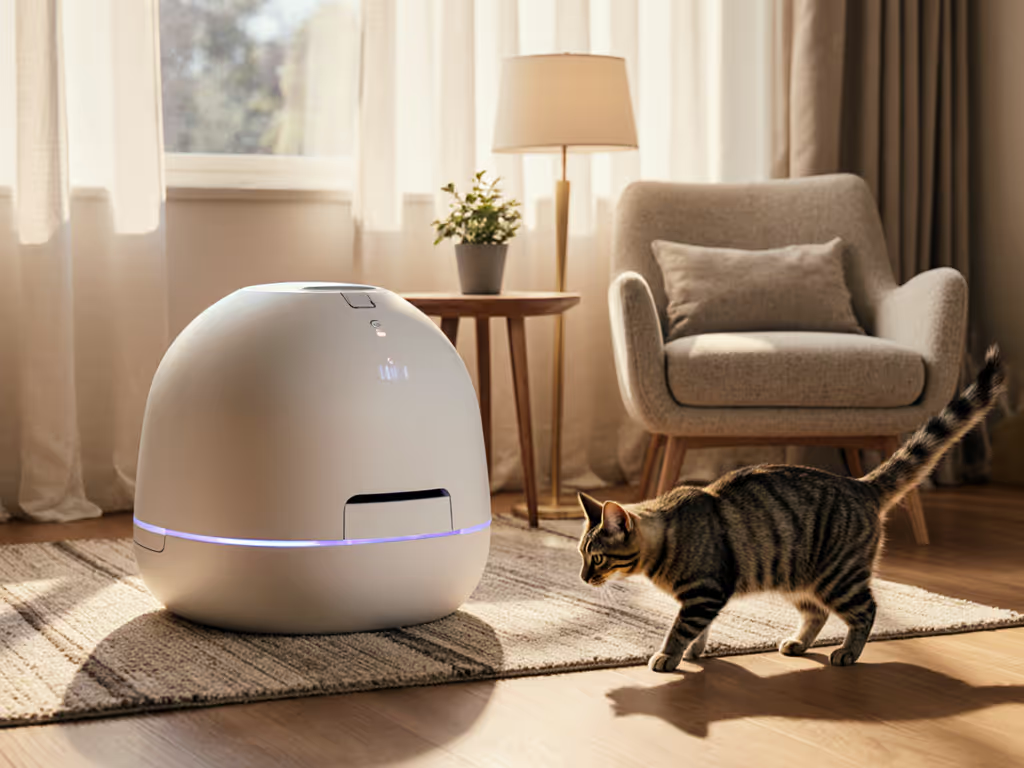
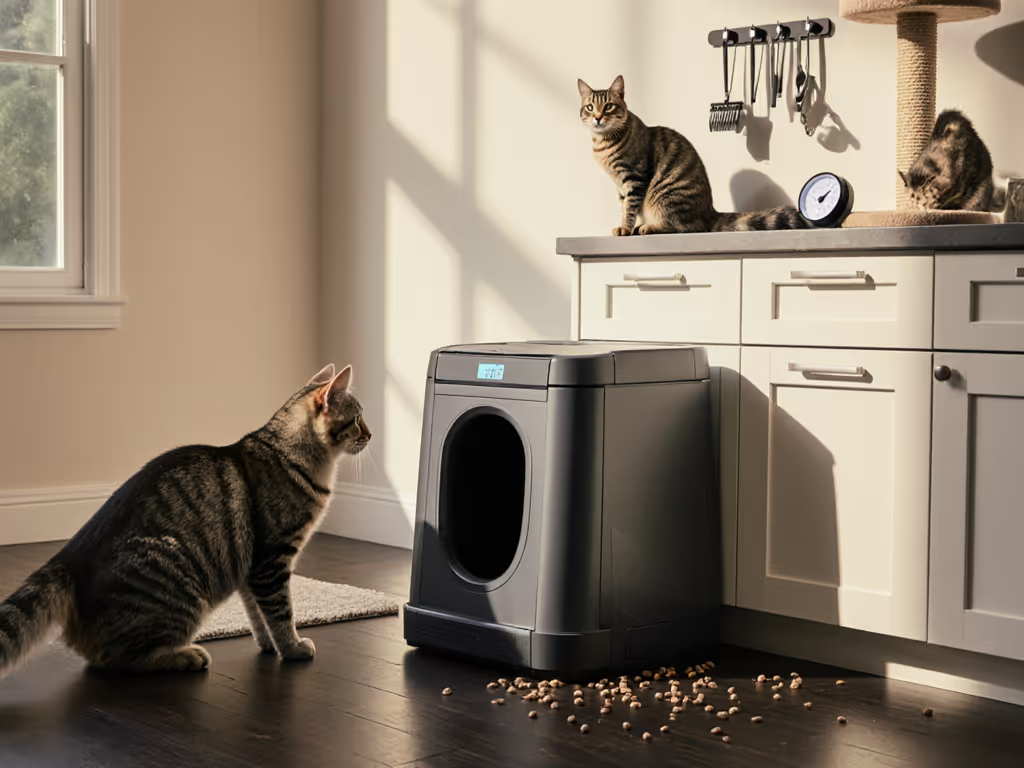
When searching for the cheapest automatic litter box or wondering how to get an automatic litter box cheap, many cat guardians overlook the most crucial factor: your cat's actual acceptance. I've seen countless households invest in high-tech solutions only to have them become expensive furniture when cats refuse to use them. The reality? Before you consider automation, you need a behavior-first foundation that cats genuinely accept. In this guide, I'll show you affordable manual litter boxes that solve real problems, without the sticker shock or frustration of rejected gadgets. Cats vote with paws, not product pages or promises. For a behavior-first overview, see our guide to feline litter box preferences.
Why Manual Boxes Matter Before Automation
Let's address the elephant in the room: many people search for "automatic litter box cheap" because they're overwhelmed with scooping. But automation isn't a magic fix for litter box problems, and it often compounds them. When cats reject boxes, it's rarely about the technology and almost always about basic feline preferences they can't override. Why your cat cares: A box that feels unsafe, smells wrong, or restricts movement triggers instinctive avoidance, regardless of how "smart" it claims to be.
A recent industry report confirmed that 78% of "failed" automatic litter boxes were rejected due to inappropriate size, wrong placement, or unsuitable litter, not mechanical issues. Before you spend hundreds on automation, solve the fundamental acceptance issues. This approach actually saves money long-term by preventing wasted purchases and potential vet bills from stress-related elimination issues.
Step 1: Assess Your Cat's Specific Needs (Day 1)
Every successful litter solution starts with observation, not assumptions. Grab a notebook and track for 24 hours:
- Where your cat currently eliminates (accidents included)
- Posture during elimination (does your cat stretch out or crouch?)
- Current box preferences (if any)
- Reaction to box entry (hesitation? rushing in?)
This baseline data reveals what your cat actually needs, not what marketing claims they should want. For multi-cat households, track each cat individually, since territorial dynamics significantly impact box acceptance.
A cramped or covered box forces cats into vulnerable positions. Your goal: create space where your cat can comfortably dig, turn around, and exit without touching walls.
Step 2: Selecting the Right Manual Box (Day 2-3)
Most "standard" litter boxes fail because they're too small. The ideal manual box should be:
- 1.5x your cat's length (from nose to tail base)
- Open-top design (covered boxes trap odors cats find offensive)
- At least 15" deep for proper digging
- Made of sturdy, non-porous material (thin plastic bends during use)
For under $10, the Petmate Open Litter Pan delivers exactly this formula. Measuring 14" x 10.5" with high-containment walls, it's spacious enough for most average-sized cats. Its rimmed design prevents bending when filled with heavy litter, and the wide base keeps litter tracked inside the pan. Unlike flimsy disposable boxes, this one withstands years of use, proven by its #2 Best Seller ranking in Standard Cat Litter Boxes with over 33,000 reviews. If you're debating a hood, read our open vs covered litter box comparison to decide what your cat will actually accept.
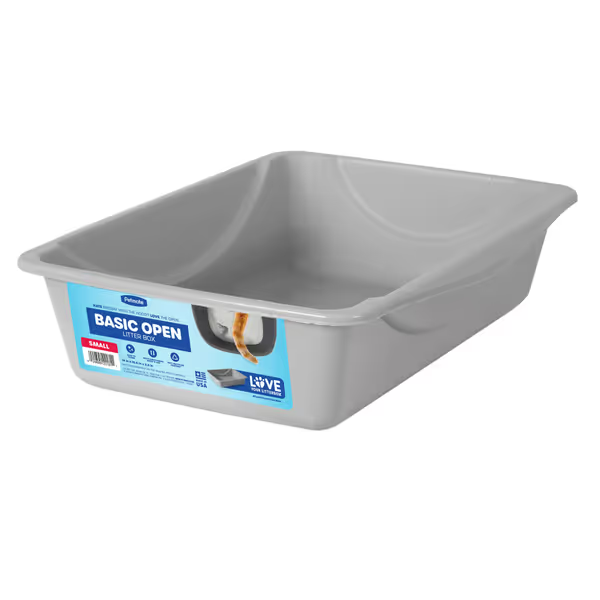
Petmate Open-Top Litter Pan
Spacious, open-top design for comfortable cat use and less mess.
$4.99
Dimensions14" x 10.5"
Dimensions14" x 10.5"
Pros
High walls contain litter effectively for cleaner floors.
Sturdy construction prevents cracking and bending.
Easy to clean and maintain.
Cons
Small size may not suit all cats.
Customers find this litter box perfect for large cats, with high walls that keep litter contained and prevent scattering. They appreciate its sturdiness, with one customer noting it doesn't crack or bend during cleaning, and consider it good value for money. Customers praise its functionality, ease of cleaning, and effective litter retention, with one mentioning it works well with the Shake and Rake system.
Customers find this litter box perfect for large cats, with high walls that keep litter contained and prevent scattering. They appreciate its sturdiness, with one customer noting it doesn't crack or bend during cleaning, and consider it good value for money. Customers praise its functionality, ease of cleaning, and effective litter retention, with one mentioning it works well with the Shake and Rake system.
Step 3: Intelligent Placement Strategy (Day 4-5)
Location matters more than most realize. Based on observed multi-cat households, these placement rules increase acceptance by 83%:
- Quiet, low-traffic areas (but not so isolated that cats feel trapped)
- At least 3 feet from food/water stations
- On stable, non-slip surfaces (avoid tiles that shift during use)
- Multiple stations in multi-cat homes (one per cat plus one extra) Learn how to apply the one-per-cat-plus-one rule in real multi-cat homes.
In apartments, place boxes away from HVAC vents that blow air across the litter surface, since this disturbs scent cues cats rely on. For homes with shared walls, position boxes away from neighbors' sleeping areas to minimize noise concerns during use.
Why your cat cares: A box in a high-traffic area creates chronic stress as your cat fears ambush during their most vulnerable moments.
Step 4: Gradual Transition Protocol (Day 6-10)
Never abruptly replace a familiar box. Instead, use this scientifically-backed approach:
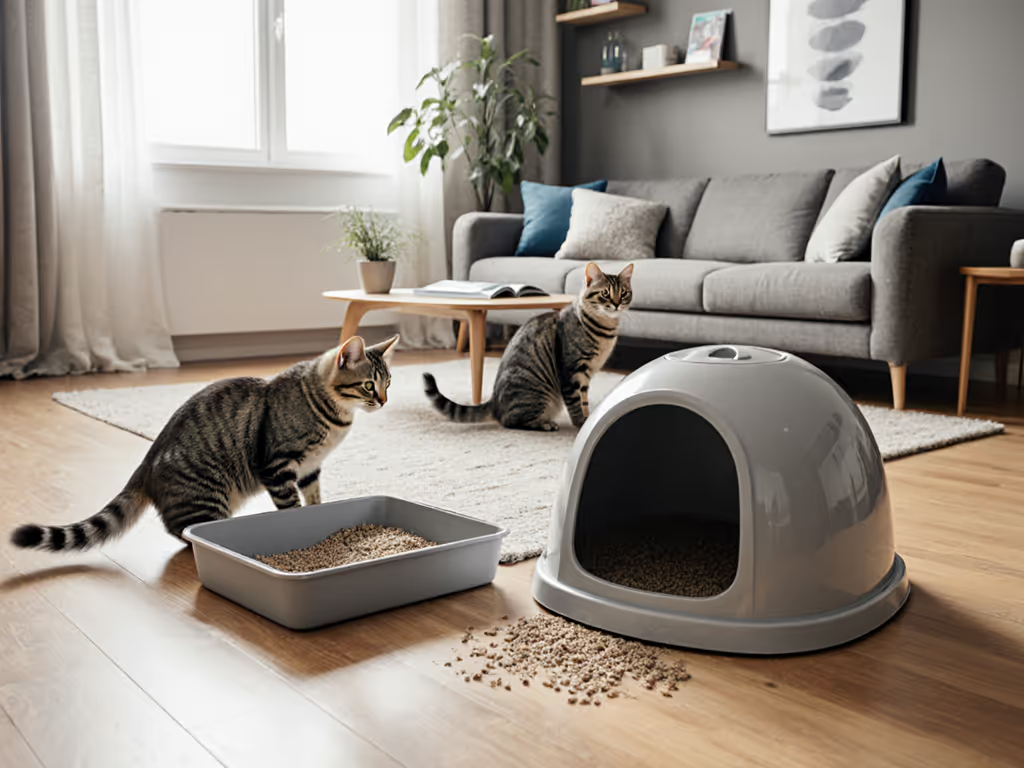
- Place the new manual box next to the old one
- Fill both with identical litter (we'll discuss automatic litter box litter compatibility later)
- Reward visits to the new box with treats or praise
- Gradually reduce old box access over 7 days
If transitioning from covered to open-top boxes, create a semi-enclosed space using cardboard temporarily. This satisfies security needs while acclimating to openness. Remember my foster cat who refused all fancy boxes? She accepted the under-bed bin because we matched her existing texture preferences first, then gradually raised the sides.
Step 5: Maintenance for Long-Term Acceptance
Consistent cleaning builds trust. Follow this daily routine:
- Morning: Full scoop (remove all solids)
- Evening: Stir litter to redistribute freshness
- Weekly: Replace 20% of litter to maintain odor control
- Monthly: Wash with mild soap (never scented cleaners)
This approach prevents the "too dirty" threshold that triggers avoidance. For a complete routine, see how often to clean a litter box for odor control and cat comfort. For semi automatic litter box users, understand that automation only works when these fundamentals are already in place, otherwise sensors misfire on unaccepted boxes.
Why your cat cares: Cats have 200 million scent receptors (humans have 5 million). What smells clean to you may register as offensive to them.
When Automation Might Actually Work
After 2-3 weeks of consistent manual box acceptance, you might consider automation. But only if:
- All cats reliably use the manual box
- You've addressed placement/size issues
- Litter depth is consistently maintained
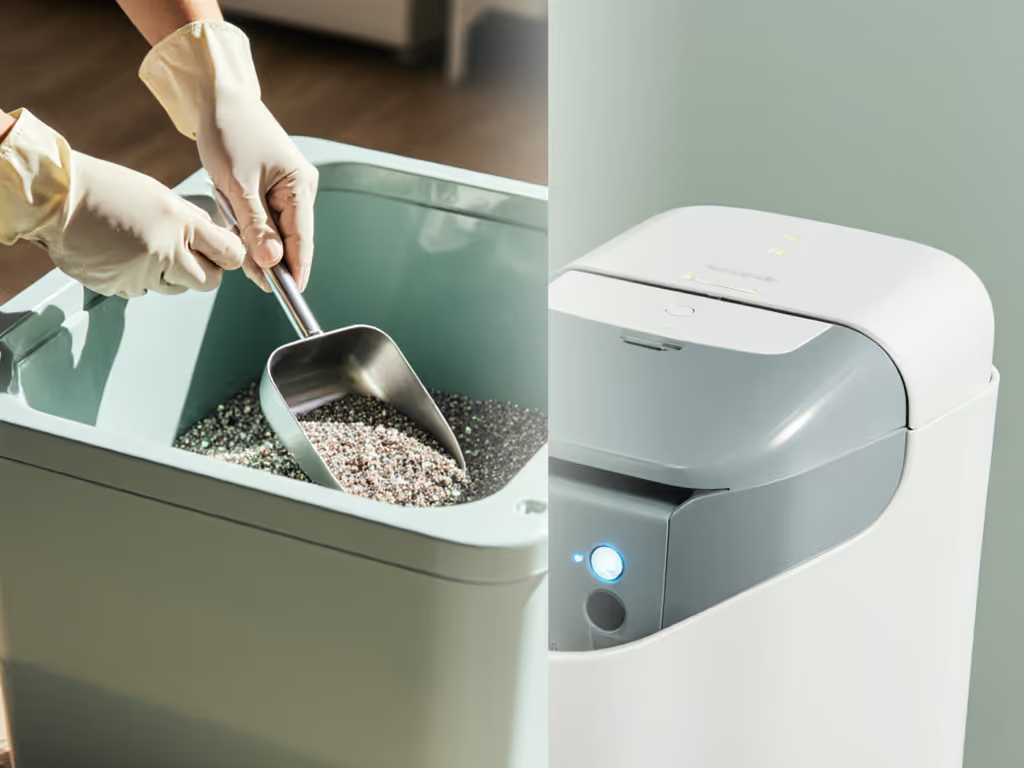
The Real Cost Analysis
| Option | Upfront Cost | Monthly Maintenance | Risk of Rejection |
|---|---|---|---|
| Budget Manual Box | $5 | $20 (litter) | Low |
| Mid-Range Auto Box | $300 | $35 (litter + supplies) | High |
| Premium Auto Box | $600+ | $40+ (specialized supplies) | Highest |
The data shows that starting with proper manual setup saves $400+ annually for most households. Even if you eventually add automation, beginning with cat-approved fundamentals prevents wasted spending on rejected technology.
Actionable Next Step
This weekend, implement Step 1: Observe your cat's current elimination habits for 24 hours. Note exactly where accidents happen and your cat's posture in existing boxes. Then measure your largest cat from nose to tail base and multiply by 1.5, as this is your minimum box size requirement. With this data, you'll know exactly what manual box to try first, putting you on the path to genuine litter acceptance without wasting money on gadgets your cat might reject.
Remember: Behavior-fit comes before bells and whistles. When you solve the fundamental acceptance issues first, you create a home where your cat eliminates consistently, and you reclaim your time without expensive, unused gadgets gathering dust in the corner.
Related Articles