Litter Box Placement & Cortisol: The Stress Science
By Keira O’Connell • 10th May
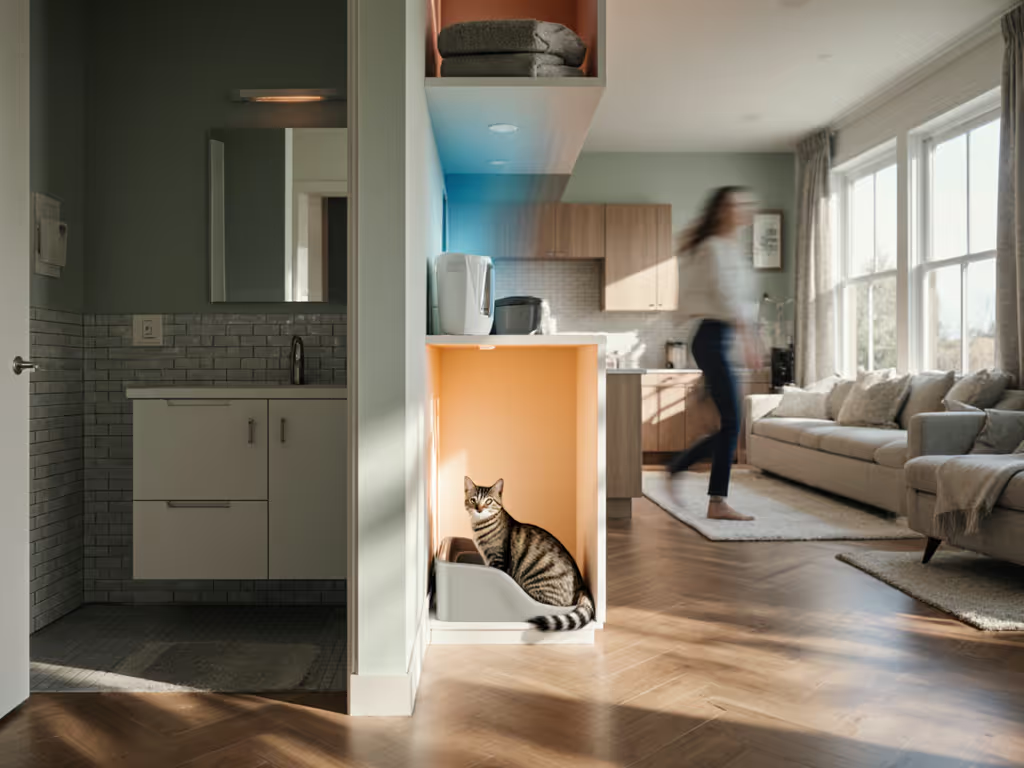
When you place a litter box, you're not just choosing a location, you're influencing your cat's physiology. Litter box placement directly relates to how your cat's body produces cortisol, the primary stress hormone. This isn't behavioral preference alone; it's feline stress litter box science with measurable metabolic consequences. A box tucked behind a bathroom door sends a different neurological signal than one in a high-traffic kitchen. For apartment dwellers and renters managing small spaces, understanding this link transforms how you approach setup, and how calm both you and your cat can be. For a broader framework, see our litter box placement science guide.
The Cortisol-Placement Connection: What the Research Shows
Cortisol is your cat's internal stress messenger. When a box is poorly placed (say, near a loud appliance or in a visible, high-traffic zone) your cat's hypothalamic-pituitary-adrenal (HPA) axis activates. Cortisol levels in cats spike, triggering vigilance, tension, and sometimes avoidance. Over time, chronic elevation is linked to urinary issues, compromised immune function, and behavioral problems, a pattern confirmed by feline veterinary medicine research.
Studies in animal behavior have shown that cats using boxes in stressful environments display elevated cortisol measured in both blood serum and fecal samples: objective markers that go beyond observation. When placement changes to a quiet, lower-visibility location, these markers drop within days. Learn how litter box visibility affects stress and why sightlines matter. This isn't speculation; it's measurable biology.
What makes placement so critical? Unlike humans, cats can't rationalize. They read their environment as safe or threatening. A litter box positioned where they're vulnerable (exposed to sudden movements, loud sounds, or territorial challenges from other pets) registers as a threat. Their nervous system responds accordingly, and elimination becomes either avoided or rushed, leading to accidents and continued stress cycles.
Behavioral Stress Indicators: Reading Your Cat's Response
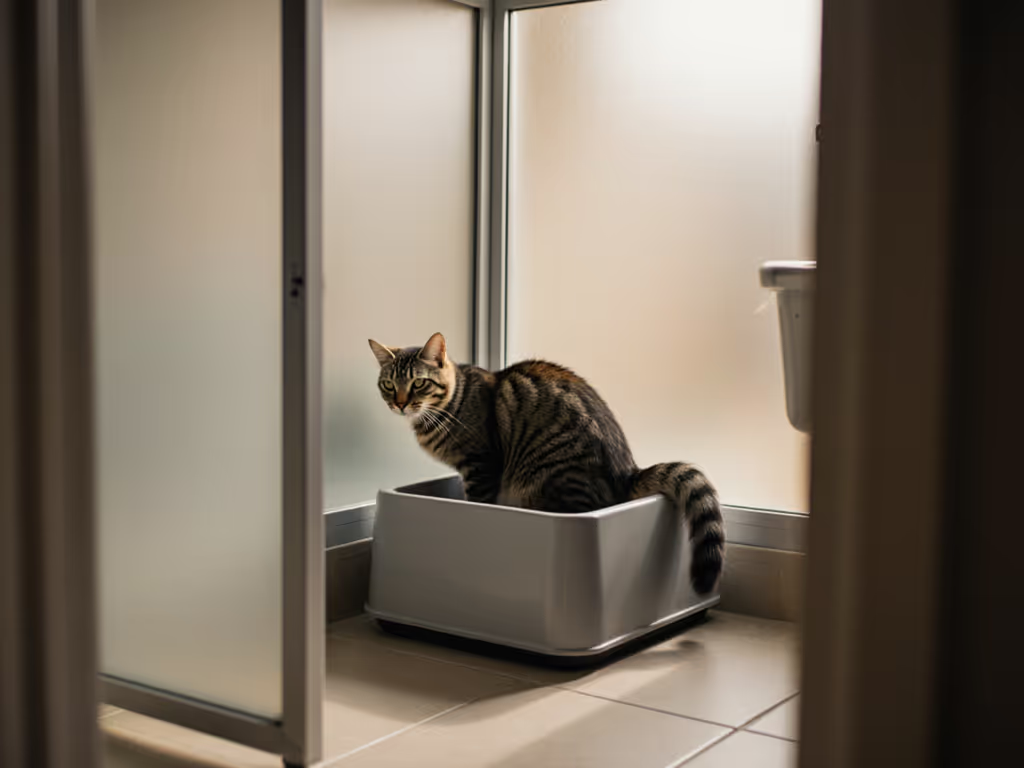
Before you measure cortisol, you can observe behavioral stress indicators that reveal whether placement is working or failing. These signs tell you if your cat is genuinely comfortable or just tolerating the setup.
High-Stress Placement Signs:
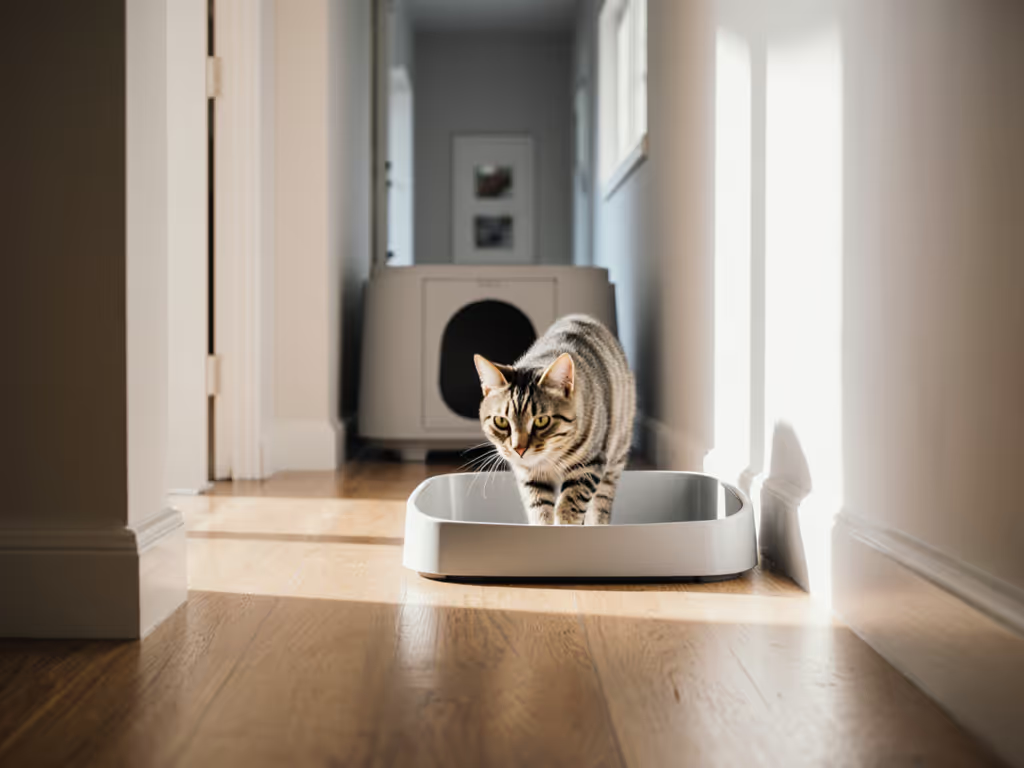
- Hesitation at the box entrance; lingering at the threshold without entering
- Rapid, anxious elimination followed by immediate exit
- Accidents outside the box, especially near escape routes
- Increased time spent grooming or hiding
- Aggressive responses to approach; reluctance to eat or drink nearby
- Spraying on vertical surfaces, even if neutered (territorial distress marker)
Lower-Stress Placement Signs:
- Relaxed approach and unhurried use
- Normal elimination patterns; no straining or incomplete voids
- Consistent box use by all household cats
- Reduced spraying or marking
- Visible calm behavior in the home overall; less hiding or vigilance
The shift from high-stress to lower-stress indicators often happens quickly, sometimes within hours of moving a box to a quieter location, and solidly within 7-10 days if placement is optimized. This rapid behavioral response reflects how directly environment influences the nervous system.
The Multi-Cat Complication: Territorial Stress and Feline Welfare
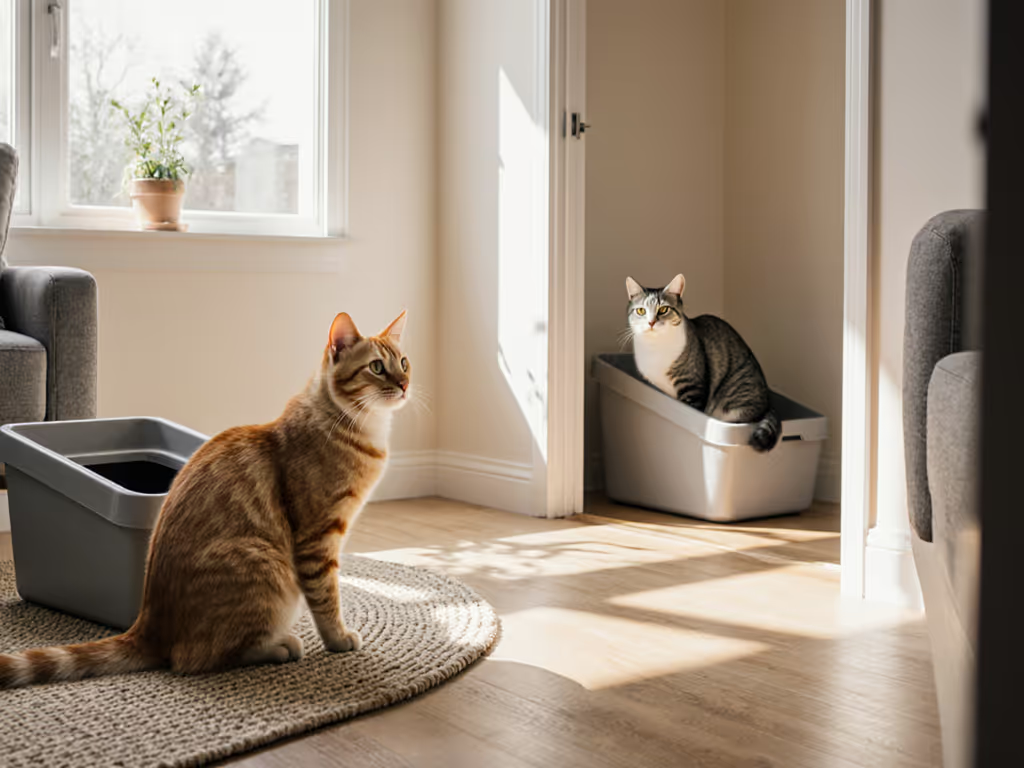
In shared homes (whether with multiple cats, roommates, or both), placement takes on another dimension. Cats practice resource guarding at litter boxes. If one cat dominates a single box, others experience chronic low-level threat stress. This isn't minor discomfort; it's sustained cortisol elevation, which feline welfare indicators like the Feline Five assessment and veterinary stress scales now formally recognize.
Quick fix, long fix: A temporary single-box setup might work in a one-cat studio, but multi-cat households need strategic placement of multiple stations. The rule (number of boxes equals number of cats plus one) only works if boxes are placed where subordinate cats can access them without confrontation. In a small apartment, this means:
- Boxes in separate rooms or zones (if possible)
- Elevated or hidden entrances that only the smaller or target cat can use comfortably
- At least one box that's visually and physically distant from high-traffic social spaces
Placement that honors these dynamics reduces territorial litter box anxiety measurements (observed conflict, blocking behaviors, or forced elimination in alternative locations) and supports overall wellness.
High-Sided Boxes, Airflow, and Stress Reduction
Here's where practical setup meets stress science. High-sided open boxes and thoughtful airflow management do more than reduce odor. They also lower perceived threat. A cat in a high-walled box feels more enclosed and protected, reducing hypervigilance. Airflow paths (a simple placement that directs odor away from the cat's head and body during use) minimize that overwhelming sensory input that triggers stress responses.
Open boxes (not covered) are quieter, offer full-body retreat space, and allow cats to maintain awareness of their surroundings without feeling trapped. The classic complaint about covered boxes isn't just discomfort; it's reduced escape routes, which elevates baseline cortisol in already anxious cats. If your cat is sensitive, follow our quiet setup guide for anxious cats.
Before moving a box to a new location, before adding a new box, or before introducing a new cat, ask:
- Before setup: Where is odor currently traveling? Where is litter tracking? Where is the box most visible or audible?
- After setup: Can each cat access the box without being cornered? Is airflow carrying odor away from sleeping/eating areas? Is the box hidden from casual view?
Measurement and Timeline: How Quickly Does Stress Drop?
If you want to validate that your placement change is working, observe measurable shifts in behavioral stress indicators over a defined period.
Week 1: Track elimination frequency, accidents outside the box, and visible hesitation. Note any changes by day 3-4.
Week 2: Observe grooming duration, hiding time, and inter-cat tension. Most cats show noticeable calming within 7-10 days of optimal placement.
Week 3-4: Assess sustained patterns. Is the setup stable? Are accidents resolved? Do you notice fewer spraying incidents or aggressive interactions at the box?
You won't need a cortisol test kit for your home; behavioral observation gives you real data. Cats don't hide anxiety well, they show it in elimination habits, posture, and social interaction. When stress drops, you'll see it.
The Small-Space Reality: Where and How
For apartments and shared homes, placement is constrained, but constraints create clarity. Here's the hierarchy:
Tier 1: Non-Negotiable
- Away from loud appliances (washers, dishwashers, furnaces)
- Not in high-traffic zones where the cat is regularly startled
- Not adjacent to where the cat eats or sleeps
- Away from litter-related smells (trash, recycling)
Tier 2: Optimize
- Quiet room or corner with a secondary exit if possible
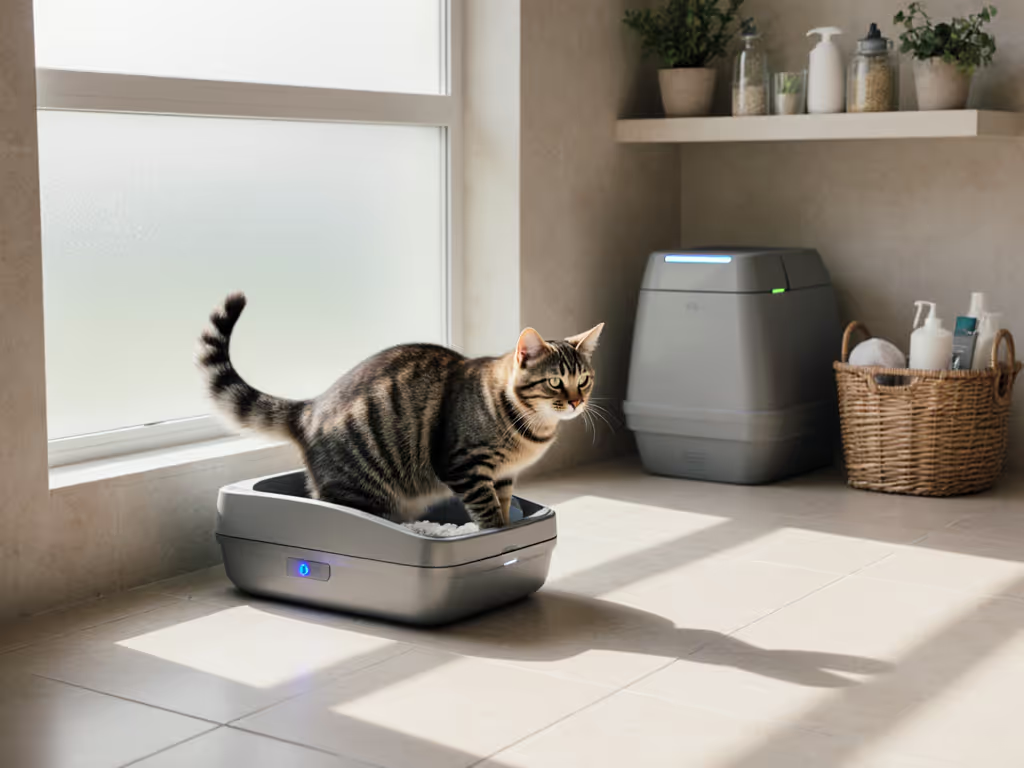
- Near a window for airflow (or near a quiet, cool vent)
- Below or level with the cat, never elevated where they feel exposed
- Hidden from casual guest view (a screen, furniture corner, or closet entry works)
Tier 3: Nice-to-Have
- Drip-edge mat or low perimeter to contain scatter and catch litter droplets before they travel
- Timer-based daily spot-cleaning (2-3 minutes) to keep the zone fresh
- A small, battery-powered fan for localized airflow if a room is stagnant
For one person balancing three roommates or a partner who's sensitive to odor, these tiers aren't optional, they're survival. I've seen a strategic placement change resolve tensions that seemed personality-based. One comment at a dinner party about lingering smell, combined with higher walls and rerouted airflow, shifted how everyone in the space experienced the cat. Suddenly, daily maintenance took two minutes instead of becoming a source of conflict.
Actionable Next Steps: Build Your Placement Audit
-
Map your current setup. Note the box location, what's nearby (appliances, bedrooms, entry points), and what you smell or see where you sit or sleep. Before/after framing starts here.
-
Identify stress markers in your cat. Review the behavioral indicators above. Are you seeing hesitation, accidents, or rapid use? These are signals that placement may be adding unnecessary cortisol.
-
Propose one strategic change. Based on your constraints, move the box to a quieter, less visible location, or add a second station in a lower-traffic area. Give it 7-10 days.
-
Measure the shift. Track elimination consistency, accidents, and visible cat behavior. Note changes in your own perception of odor and space.
-
Optimize your management routine. Once the box is placed, commit to a timer-based 2-3 minute daily refresh. Consistency reinforces calm for both you and your cat.
A calmer room starts at the litter zone.
When your cat's cortisol is lower, stress markers fade, and the home feels tangibly quieter and cleaner, not because you're hiding the problem, but because the problem is shrinking at its source.
Related Articles