Deaf Cat Litter Box Placement: Visual Navigation Cues
By Maya Santos • 22nd Jan
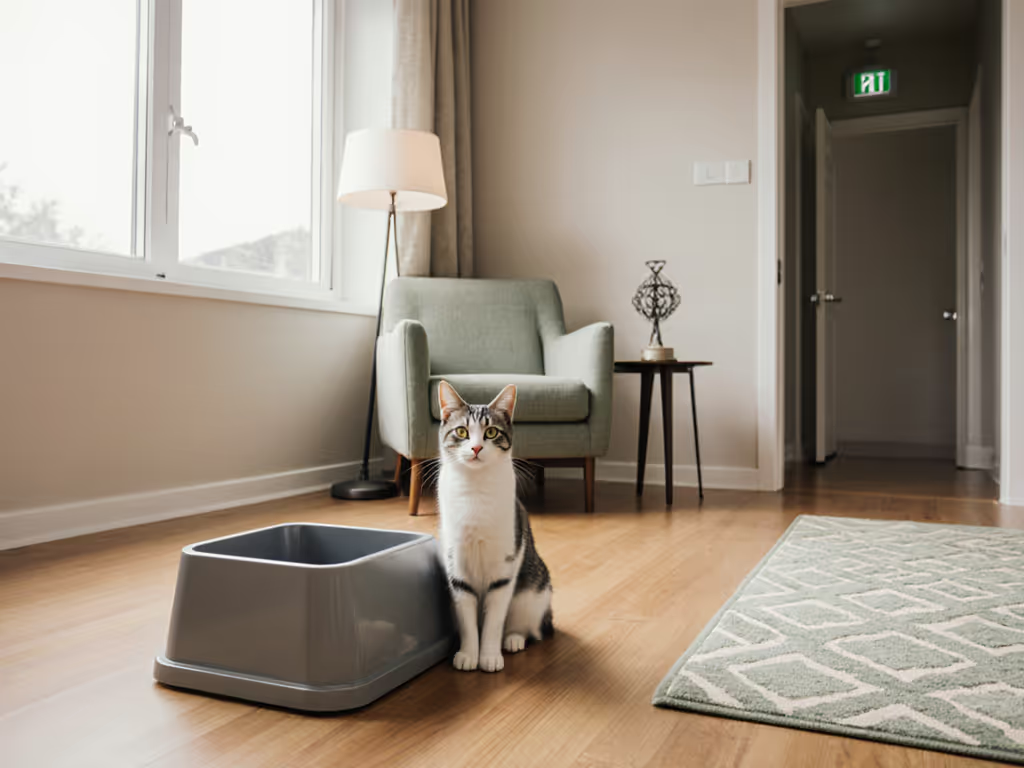
For urban cat guardians managing deaf felines, a reliably used cat litter box isn't just convenient, it is the anchor for household harmony. When auditory cues vanish, your deaf cat's navigation depends entirely on visual and spatial intelligence. Yet many well-meaning households unknowingly place their cat litter station where it's invisible to their silent navigator. This mismatch fuels accidents, stress, and the all-too-familiar scent trails that haunt small apartments. Let's reframe the solution: behavior-first design beats technological fixes every time.
The Silent Challenge: Why Standard Placement Fails
Deaf cats don't operate on sound-based logic. A typical litter box tucked under a vanity (or worse, in a narrow hallway corner) creates a sensory dead zone. For a deeper overview of home layout factors, see our litter box placement science guide. Without hearing footsteps or box vibrations, your cat can't anticipate approach threats. This triggers the freeze-or-flight response ASPCA behaviorists link to inappropriate elimination. I've seen deaf fosters panic when startled mid-elimination because their box had only one exit (a setup that's objectively unsafe for any cat, but catastrophic for those who can't hear threats coming).
Consider this: In multi-cat households, a dominant cat's silent approach can turn a litter zone into a combat zone. Deaf cats miss the subtle audio warnings hearing cats use to avoid confrontations. The result? Resource guarding escalates, and litter boxes become abandoned outposts. Spatial arrangement for deaf cats isn't about convenience, it is about preventing trauma.
Crafting Sightline-Safe Zones
Corner Command Posts with Dual Escape Routes
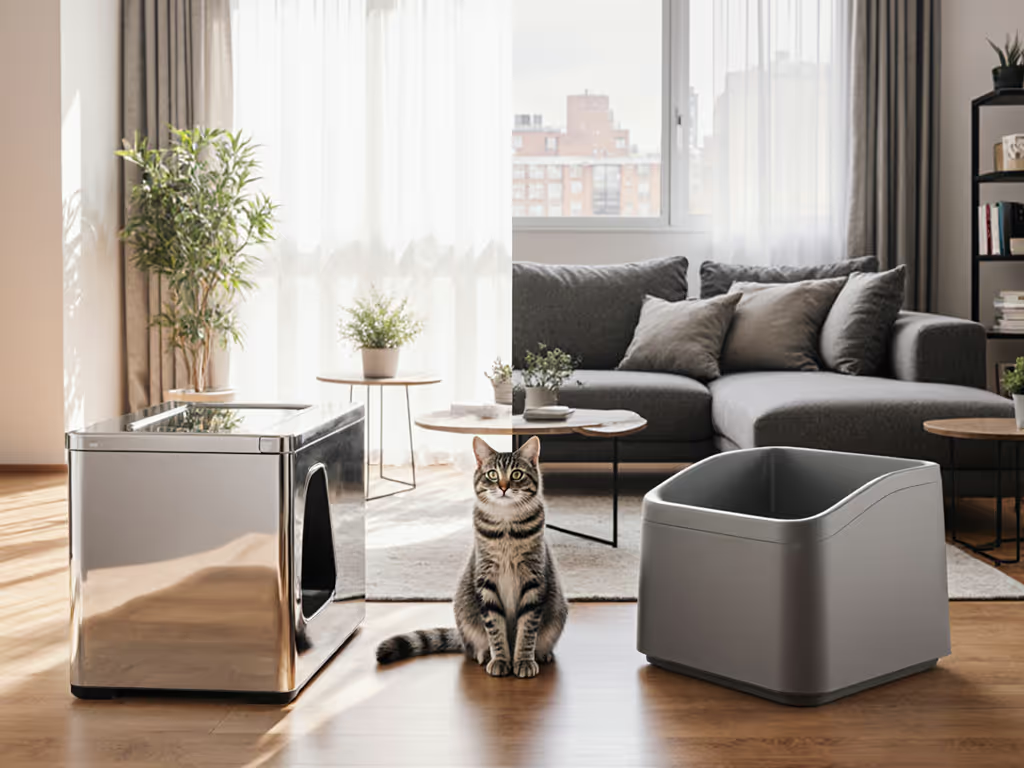
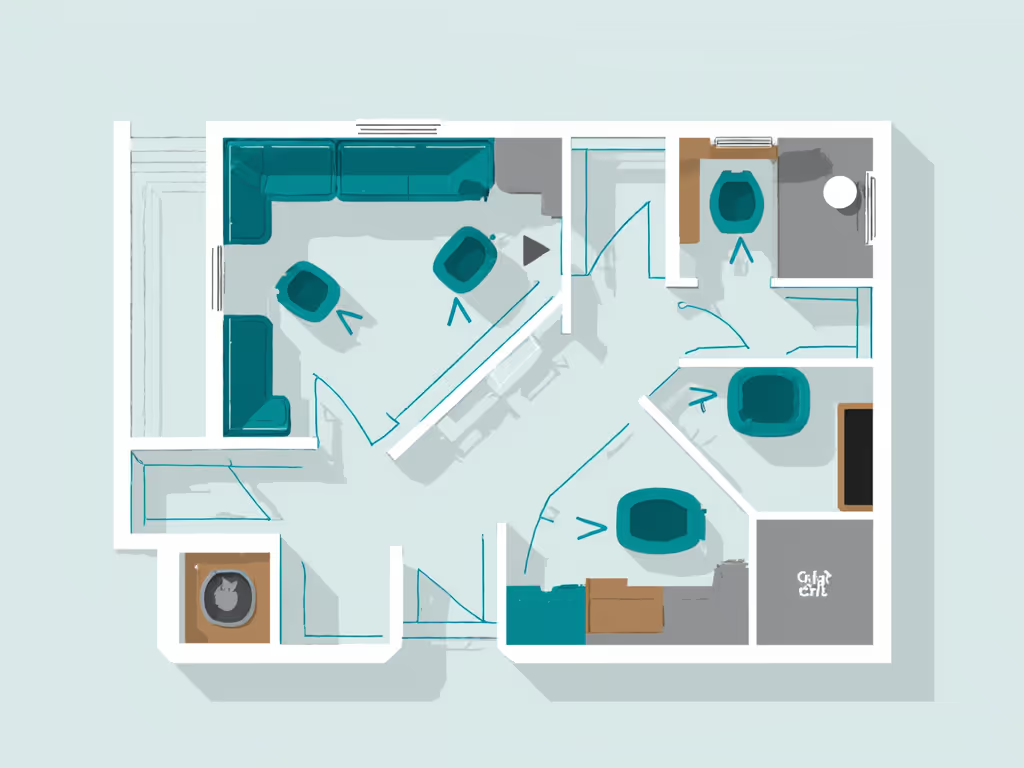
Place your litter box in a room corner where walls form a protective backdrop, but always ensure sightlines to both room entrances. This lets your deaf cat monitor all activity visually, a non-negotiable for security. Critically, maintain two exit paths: never position the box against furniture that blocks one direction. Apartments with open floor plans excel here; position boxes where sightlines span living and kitchen areas. If you have an open concept, use our open floor plan placement guide for privacy without blocking airflow. Avoid closets or bathroom nooks entirely. These force reliance on "vibration alerts" from devices that fail during power outages or low batteries. Cats vote with paws, not product pages or promises, and they'll reject unreliable tech long before humans notice glitches.
Landmark Anchoring for Visual Navigation Cues
Deaf cats memorize routes through visual landmarks. Anchor each cat litter box near a distinctive object: a blue chair, a textured rug, or even a wall-mounted shelf. These become non-auditory litter box markers their brains map like signposts. In a client's studio apartment, we used a bright red mat under the litter box and placed matching mats along the path from the cat's favorite sun spot. Within 72 hours, the deaf cat stopped circling confusedly before elimination attempts.
Pro Tip: For cats with residual low-frequency hearing (like some elderly deaf felines), add ultra-thin vinyl flooring under the box. The faint shff sound of paws on vinyl creates subtle auditory feedback without overwhelming noise.
Strategic Depth for Stress-Free Access
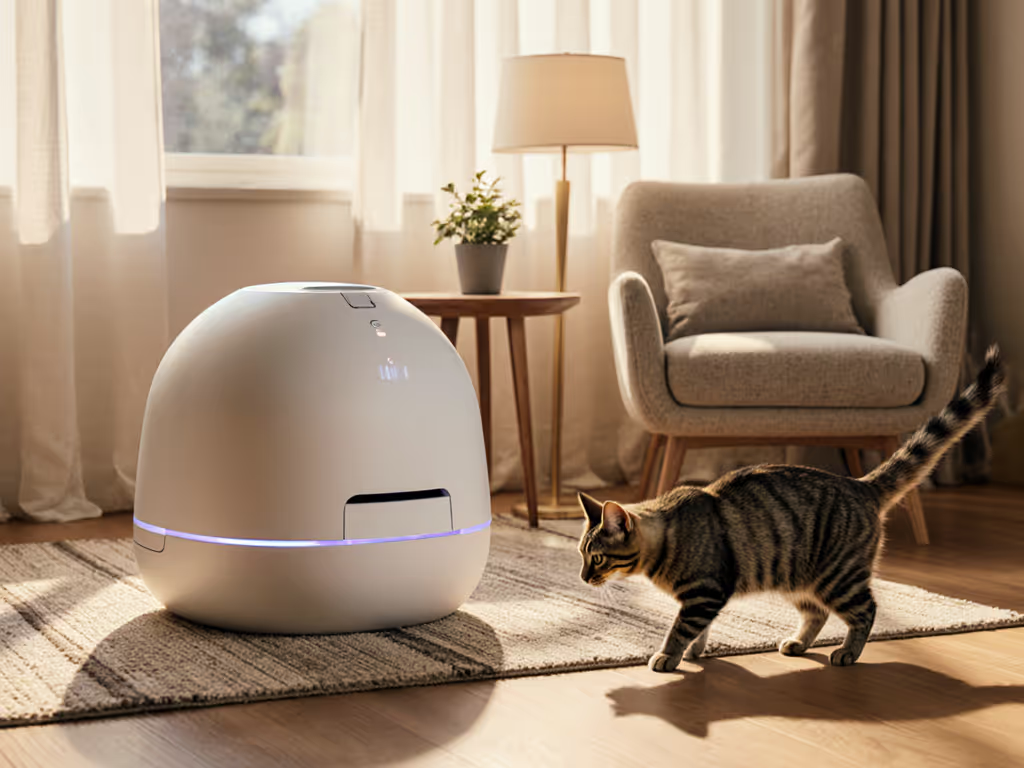
While vibration alerts get marketed as solutions, deaf cats prioritize physical safety over electronic prompts. Choose an open-top box with sides under 5 inches high (low enough for quick exits but deep enough to contain litter). Measure your cat from paw pads to shoulder height; the entry point should be 25% lower. For arthritic or senior deaf cats, add a ramp only if it doesn't obstruct sightlines. Find step-by-step litter box modifications for mobility-impaired cats to keep entries low and safe. Remember: behavior-fit comes first. I once resolved a deaf foster's aversion by replacing a fancy auto-box with a storage tote whose shallow entry and panoramic views restored her confidence. No gadgets, just spatial intelligence.
Deep-Litter Strategy: Building Scent Highways
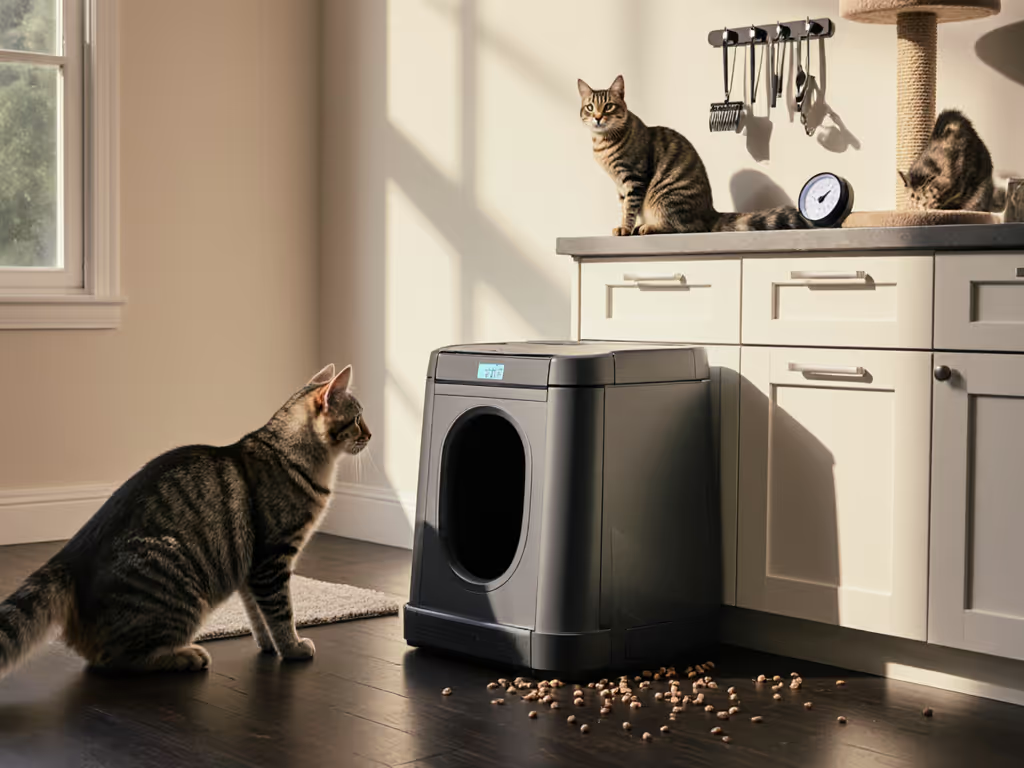
Deaf cats rely heavily on scent trails when visual cues are ambiguous. Maintain 1.5 to 2 inches of unscented clumping litter (per ASPCA guidelines), deep enough to preserve odor markers between cleanings, but shallow enough to avoid overwhelming paws. Learn why correct litter depth supports natural burying instincts. Scoop solid waste daily, but never replace all litter at once. Preserve 10% of used litter to maintain the scent highway guiding your cat back to the box. Sprinkle fresh litter on top to avoid disrupting this navigation system. This approach cut hallway accidents by 80% in a 2-cat Toronto condo where the deaf cat kept missing her box after deep cleans.
Multi-Cat Household Adjustments
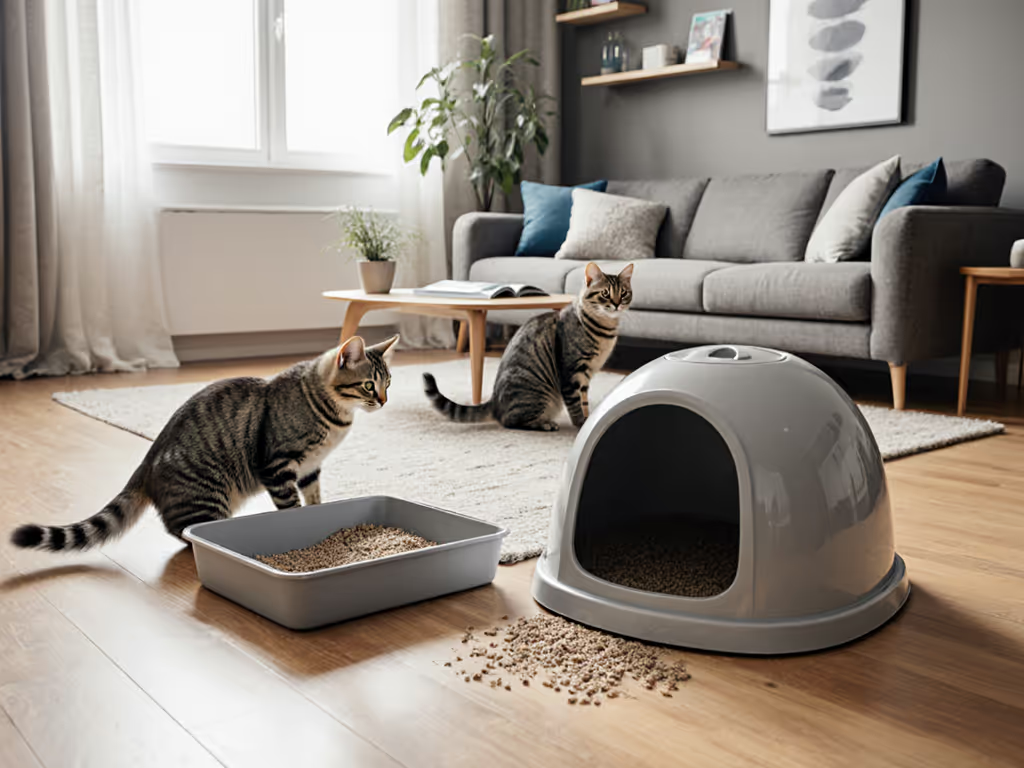
In shared spaces, deaf cats are disproportionately targeted during resource guarding. Spatial arrangement for deaf cats requires extra vigilance:
- Place boxes in non-adjacent zones (never back-to-back)
- Ensure sightlines don't force direct eye contact between stations
- Add vertical pathways (shelving or cat trees) so deaf cats can bypass ground-level confrontations
One client's deaf cat consistently avoided the upstairs box until we installed a wall-mounted ramp leading to it. The visual route bypassed the hearing cat's territory, eliminating "ambush" anxiety. In multi-cat homes, follow the multi-cat litter box formula to reduce competition and ambushes. This wasn't about the box itself, it was about designing the journey.
Transition Plan: Your Actionable Steps
Implement these changes in phases to avoid overwhelming your cat's spatial memory:
- Day 1-3: Map your deaf cat's current elimination routes. Note where accidents occur, they're navigation failure points.
- Day 4-5: Position new visual markers (colored mats, distinct furniture) along desired paths. Do not move the box yet.
- Day 6-7: Shift the litter box 6-12 inches toward your target location only if the cat uses the markers confidently. Repeat until in optimal spot.
Track progress by noting: Are fewer accidents happening? Is your cat approaching the box without hesitation? These are your true success metrics, not how "quiet" a box is.
The Quiet Confidence of Cat-Approved Design
Deaf cats don't need noise-canceling litter boxes; they need spatial clarity. By prioritizing sightlines, scent continuity, and escape routes, you build an environment where accidents become unlikely, not through gadgets, but through respect for feline cognition. Remember that foster cat who refused every fancy box? Her comeback began with an under-bed bin and gradually raised sides, never vibration alerts. When we safeguarded her ability to see and flee, she voted with her paws. Your deaf cat will too.
Today, observe where your cat pauses or hesitates while navigating. That's your first clue for where to place non-auditory litter box markers. Adjust one landmark this week, and watch for confident tail-up approaches to the box. That's the silent "thank you" you've been waiting for.
Related Articles