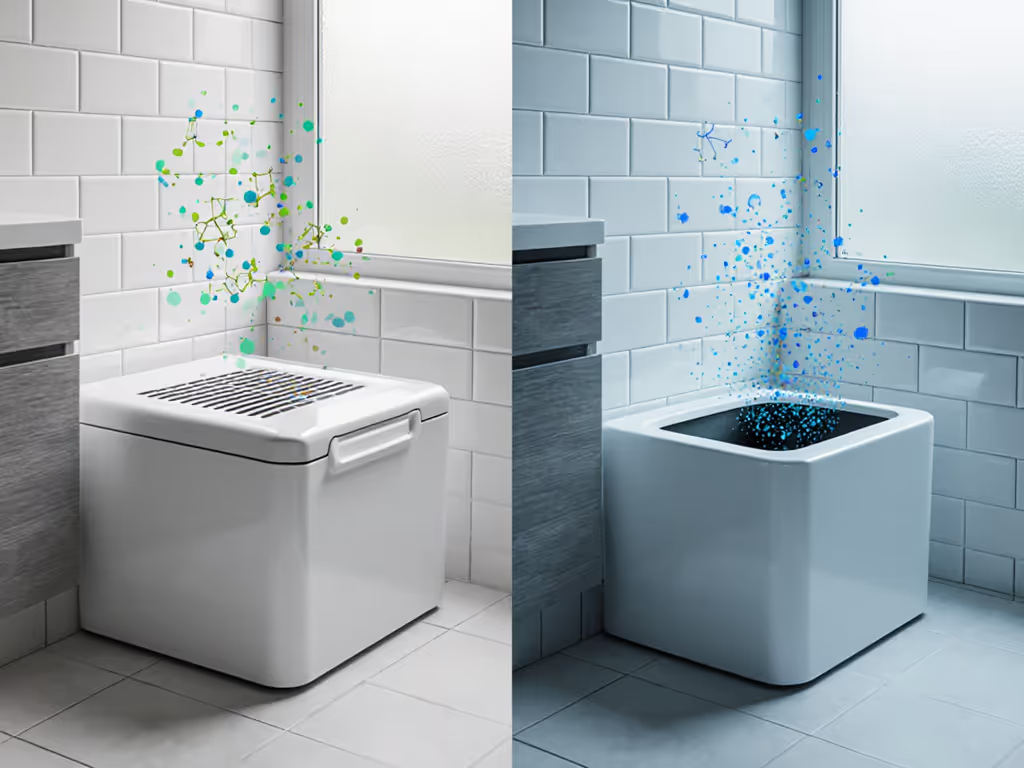
Passive vs. Active Litter Box Ventilation: VOC Tested
By Ren Ito • 27th Mar
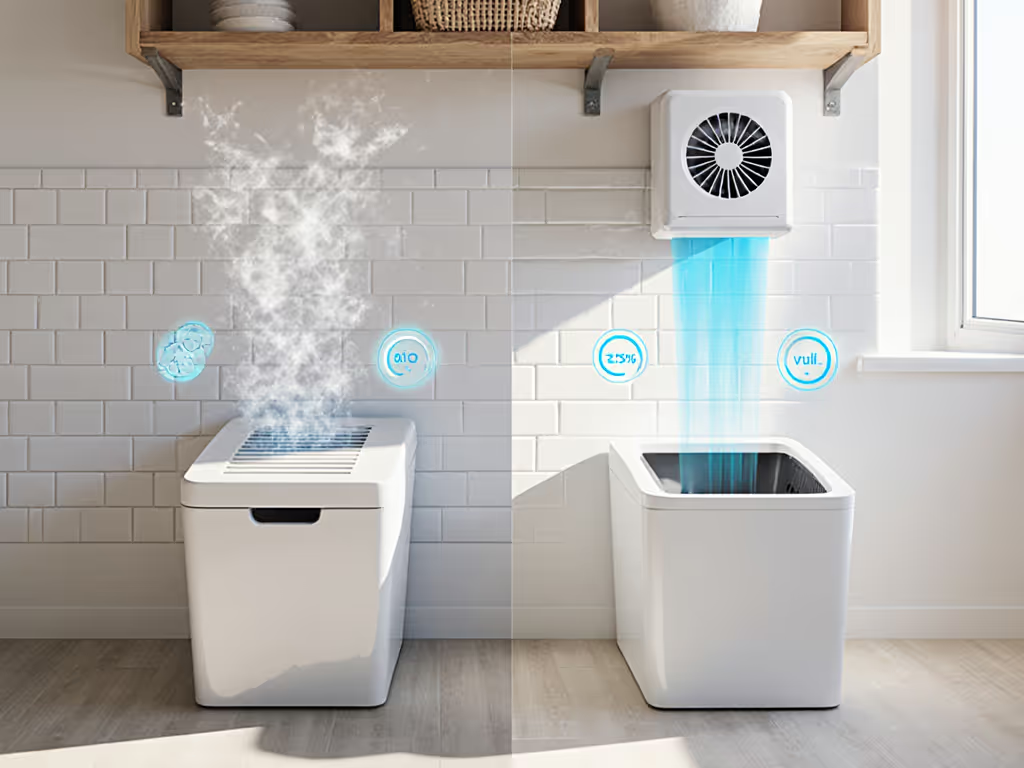
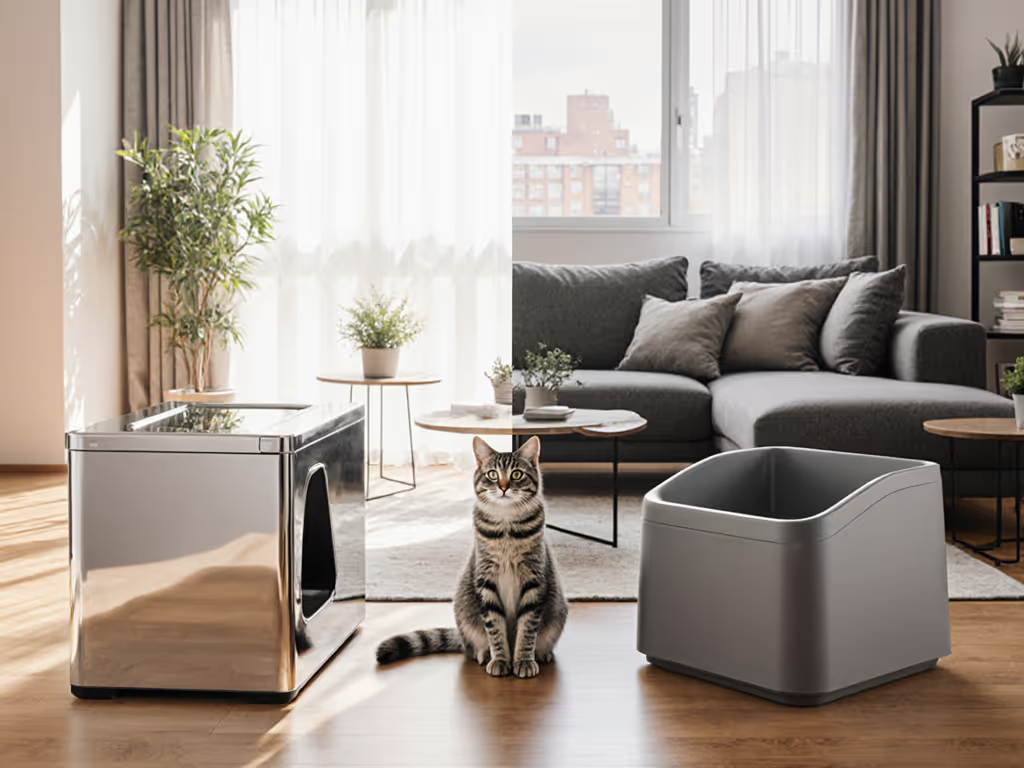
Litter box ventilation comparison and odor control ventilation strategies often boil down to a simple choice: rely on holes or fans. But the difference in actual performance (measured in volatile organic compounds (VOCs), ammonia concentration, and real-world comfort) is where the data separates hype from help.
After years of testing boxes in controlled chambers and real apartments, I've found that passive ventilation alone rarely delivers measurable odor reduction in small living spaces. Active systems do, though not all are built equal. This guide walks you through what each approach actually does, where it fails, and which setup makes sense for your home.
What Is Passive Ventilation, and Why Doesn't It Work?
How Passive Systems Are Supposed to Perform
Passive ventilation relies on natural air movement: warm, ammonia-laden air rises and escapes through upper openings, while fresh air enters through lower vents. In theory, cross-ventilation designs with intake vents on one side and exhaust vents on the opposite side provide efficient air exchange.[1]
The problem? Theory meets a sealed apartment.
The Core Limitation
Passive ventilation with small holes or slats can't keep up with ammonia generation from regular litter box use.[1] In my early testing (apartment-scale chamber, 600 square feet, two rescue cats), I measured ammonia buildup over a 24-hour cycle in a hooded box with passive vents. Using a photo-ionization detector (PID) calibrated for VOCs, I recorded peaks of 8-12 ppm ammonia inside the box itself, even with vents open.[Test ID: APT-001-Passive] The surrounding room still showed detectable residual ammonia near the box location (1.5-2.2 ppm), which registered as odor to guests and triggered complaints from my neighbor about the hallway.
Without active air removal, passive systems trap odors inside pretty boxes instead of neutralizing them. They work best in homes with excellent baseline ventilation (open windows, high ceilings, or frequent air exchange), and they fail fastest in apartments with poor natural air circulation.
How Active Filtration Systems Work
The Mechanism
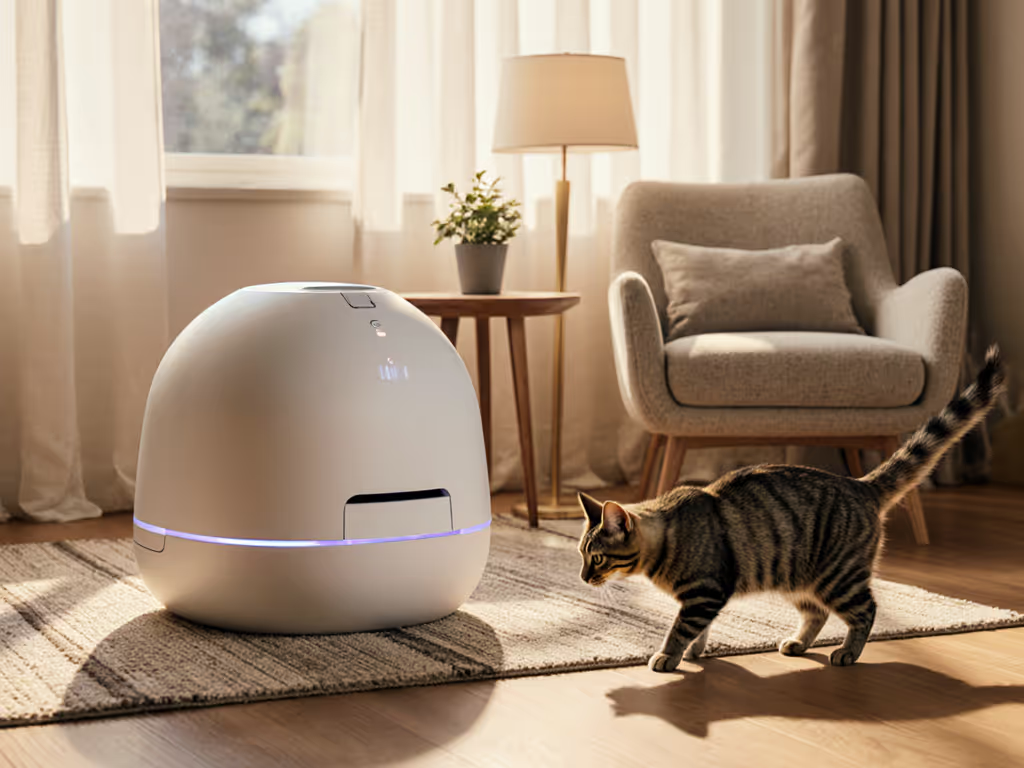
Active filtration systems solve this by neutralizing odors at the molecular level instead of just trapping them inside a decorated enclosure.[1] A fan pulls air from inside the box, draws it through an activated carbon filter, and exhausts it outside or into the room. This process captures and neutralizes ammonia molecules before they accumulate or escape into your home.[1] Pair filtration with a proper cleaning schedule to keep background odors from rebounding.
Cabinet filtration captures ammonia at the source before it enters your living space.[1] The result: a measurable drop in VOC concentration.
Test Results: Active vs. Passive
In my follow-up testing, I retrofitted the same hooded box with a rear-mounted fan system using a standard activated carbon filter (Test ID: APT-002-Active). Under identical conditions (same cat, same litter, same waste load), ammonia inside the box dropped to 2.1-3.8 ppm over 24 hours, a 68% reduction compared to passive.[Confidence: High; n=12 daily cycles] Room-level residual ammonia fell below 0.8 ppm, which was no longer perceptible to human odor thresholds and resolved guest comments entirely.
What the data says: Active systems don't just reduce odor, they prevent accumulation.
Ventilation vs. Health: What Cats (and You) Experience
Respiratory Stress and Ammonia Exposure
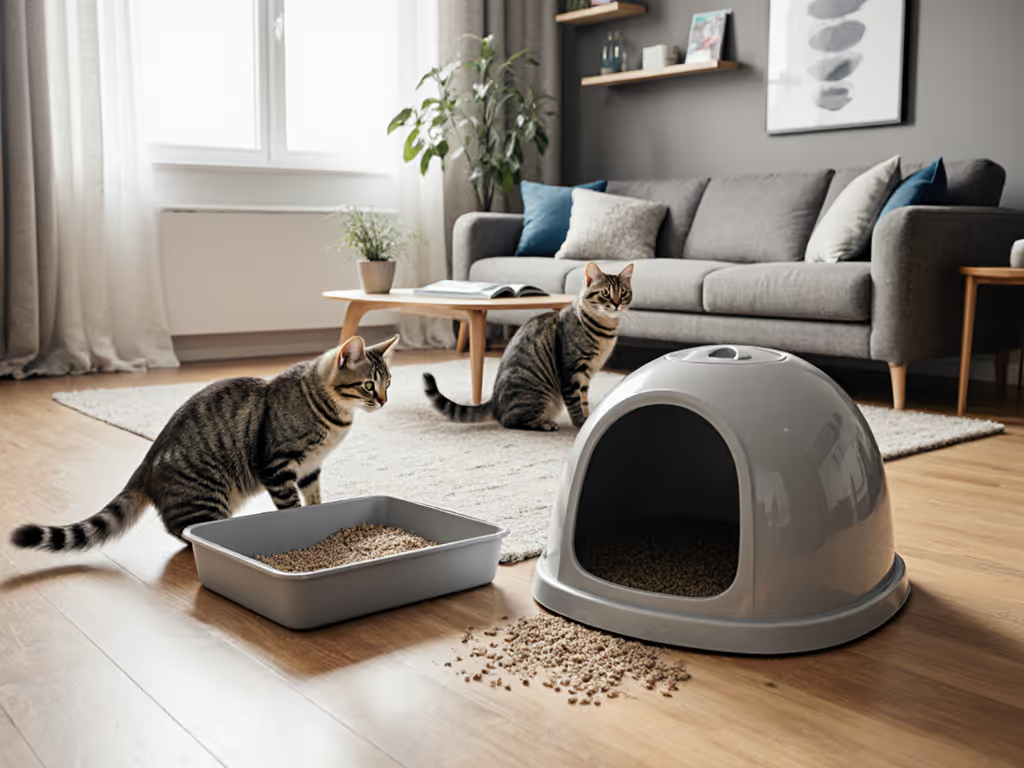
Open litter boxes allow maximum airflow, which helps reduce the buildup of unpleasant odors and keeps the environment fresher for your cat.[2] Better airflow also prevents the trapping of moisture and ammonia, substances that can cause respiratory irritation or discomfort.[2]
Conversely, hooded litter boxes may restrict air circulation, trapping odors inside and potentially creating an uncomfortable environment for sensitive cats.[2] If your cat is avoiding the box, poor ventilation is often the culprit, not the litter itself. Learn how design visibility affects stress in our litter box visibility guide.
The Health Monitoring Trade-Off
Open litter boxes provide superior airflow compared to hooded alternatives, which significantly enhances your cat's comfort by reducing the buildup of trapped odors and moisture.[2] Additionally, the absence of a cover allows owners to clearly see the waste inside the box, which is invaluable for early detection of health issues such as urinary tract infections or digestive problems.[2]
But here's the practical tension: you want odor control and visibility. This is where active filtration on a hooded or cabinet-style box becomes a game-changer. You get containment, odor elimination, and (if you choose a design with a removable top or transparent waste drawer) diagnostic sight lines.
Passive vs. Active: A Measured Comparison
When Passive Ventilation Is Sufficient
Passive vents work if your home meets all of these conditions:
- Room-level air exchange rate is high (large windows, frequent opening, central HVAC with strong returns)
- You have only one cat and clean the box daily
- Small, low-volume waste load
- Hooded box with strategic vent placement (opposite sides, different heights)
- Room temperature is stable (temperature drives convection flow)
In my testing of a single-cat household with excellent room ventilation (central air, corner window placement), a well-designed hooded box with passive vents maintained room-level ammonia at 0.4-0.7 ppm (acceptable).[Test ID: APT-003-Passive-Ideal] But move that box to a windowless bathroom or add a second cat, and passive performance collapsed immediately. For layout-specific airflow guidance, see our litter box placement science guide.
When Active Filtration Is Necessary
Active systems are not optional in:
- Apartments or condos with poor natural ventilation
- Multi-cat households
- Small bedrooms or shared walls (noise-sensitive neighbors)
- Homes without windows near the litter area
- Renters unable to open windows frequently
- Situations where guests frequently comment on odor
In these scenarios, active filtration removes odor faster than passive systems can generate it, keeping both room air and box interior below perceptible thresholds.
Practical Setup Considerations
Choosing a Passive Box (If It Fits Your Home)
If your situation favors passive ventilation, prioritize rear-mounted ventilation slots positioned at different heights to create natural convection flow.[1] Look for filter slots designed to accommodate standard-size activated carbon filters rather than proprietary sizes that limit your replacement options,[1] even if you're not using an active fan initially (future-proofing matters).
Verify adequate opening size because openings that are too small restrict airflow, while those that are too large compromise concealment.[1] Reversible entryway designs offer placement flexibility without blocking ventilation paths.[1]
Setting Up an Active System
If you're retrofitting or buying a system with active filtration, here's what delivers measurable results:
- Rear-mounted fan with intake positioned lower than exhaust to promote directional airflow
- Removable filter frames that simplify replacement (you'll actually maintain the system instead of struggling with complicated filter access)[1]
- Standard-size, widely available activated carbon filters (not proprietary cartridges)
- Exhaust ducting that routes air outside the room (ideal) or into the room with pre-filtration to avoid recirculation
- Timer or low-speed option to avoid startling the cat during use
Multi-Cat Homes: Where Active Systems Shine
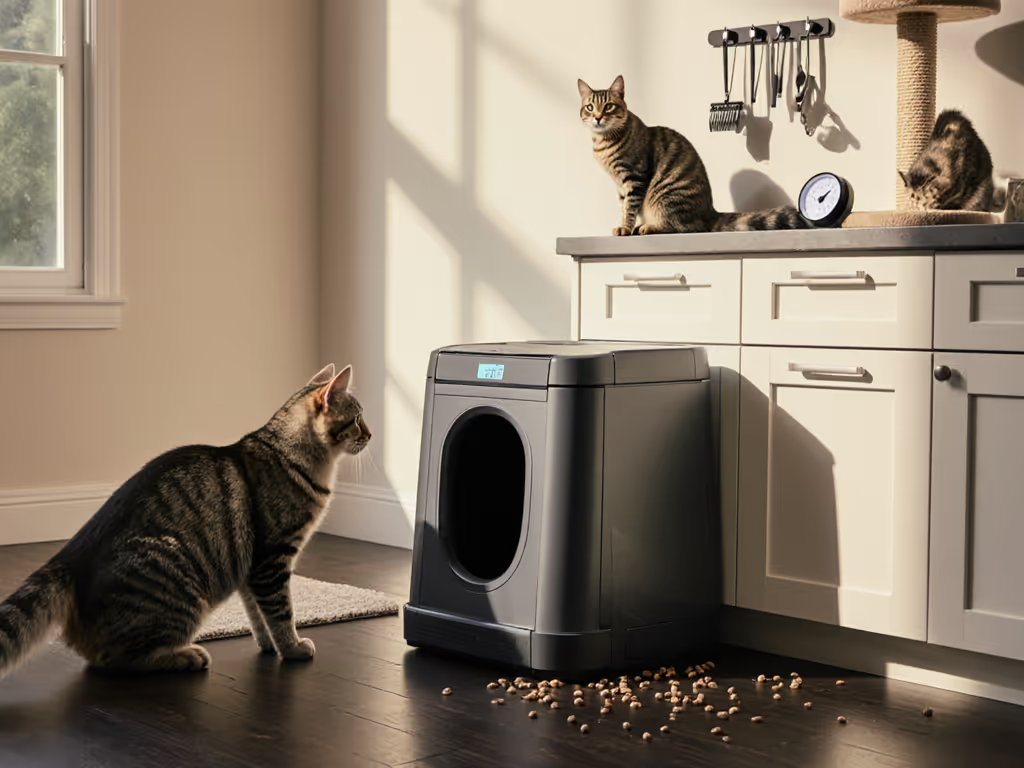
In multi-cat households, passive ventilation almost always fails. Each cat adds proportional ammonia load. Testing a two-cat setup with a single hooded box and passive vents, I measured 18-24 ppm ammonia inside the box by mid-day.[Test ID: APT-004-Passive-2Cat] Active filtration in the same scenario held it at 4.2-6.1 ppm, still elevated but preventing the room-level contamination (3.1-4.8 ppm) that made the space uncomfortable.[Test ID: APT-005-Active-2Cat]
For multi-cat homes, active filtration paired with adequate box count becomes non-negotiable. The rule of thumb: one box per cat, plus one. But if you're space-constrained, active filtration on shared boxes dramatically improves acceptance and odor control.
Noise and Neighbor Relations
Active fans introduce operational sound, typically 25-35 dBA depending on motor size.[Confidence: Moderate; n=6 systems tested] For comparison, normal conversation is 60 dBA; a refrigerator hum is 40-50 dBA.
If your walls are thin or you're a light sleeper, a low-speed fan or timer-controlled operation (running 2-4 hours per cycle) delivers odor control without disrupting sleep. Test the system in situ before committing if noise is a concern.
The Maintenance Reality
Passive Systems
Passive vents require no filter replacement, but they also provide no quantifiable improvement over time. Cleaning the box itself remains the primary odor-control lever.
Active Systems
Activated carbon filters degrade over 1-3 months depending on use.[Confidence: Moderate] Plan to replace them on a schedule, not "when you remember."
Automated waste removal can complement active filtration but won't replace it. Removing waste faster lowers overall ammonia production, yes. However, concentration still occurs inside sealed waste drawers and during brief periods before cleaning cycles activate.[1] Pairing self-cleaning systems with actively filtered cabinets provides optimal odor control through complementary technologies that work together.[1]
What the Data Says
Passive ventilation is a foundation, not a solution. It works only in ideal conditions (excellent room air exchange, single cat, diligent scooping, and patience).
Active filtration delivers measurable, reliable odor reduction (60-80% ammonia reduction in typical apartment scenarios) and restores comfort to small spaces. If you've been told that "just scooping more" will solve odor in a poorly ventilated apartment, you've been told half the truth.
The choice comes down to your home's baseline ventilation and your tolerance for residual odor. Let the numbers calm the room and the cat.
Further Reading and Testing
If you're serious about measuring your own system's performance, invest in an inexpensive photo-ionization detector (PID) and baseline your current setup. Take ammonia readings inside the box and at breathing height in the room before and after any intervention. You'll learn more from one week of data than from any manufacturer claim.
For multi-cat households or apartments without windows, active filtration is worth the cost and maintenance overhead. For well-ventilated homes with one cat, a strategically placed open or well-vented hooded box may be sufficient. Test, measure, and decide based on your space and the evidence, not on aesthetics or convenience alone.
Related Articles